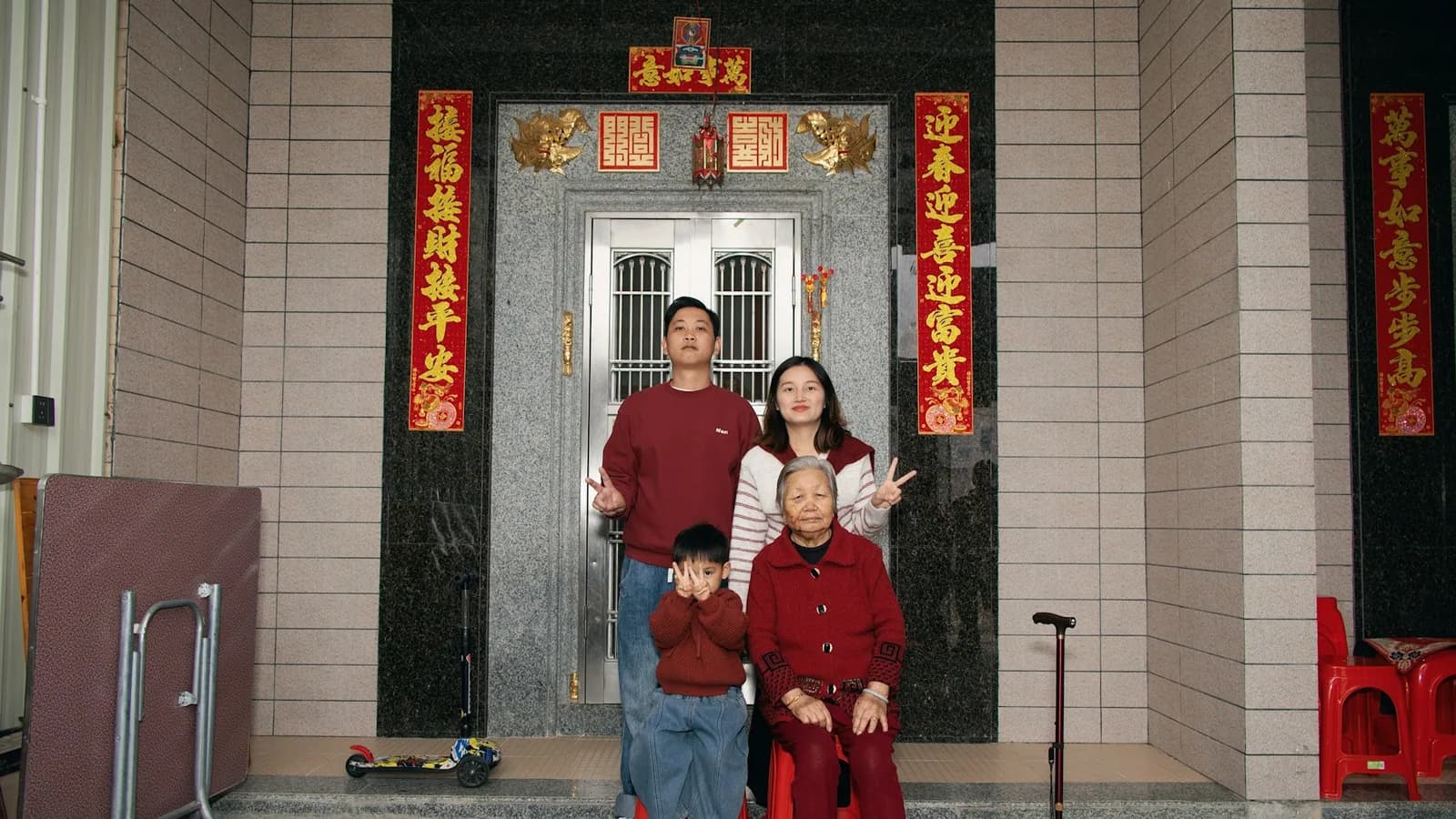
A useful letter identifies the host by full name, address, telephone number, job or occupation, and status in Canada. It identifies the visitor, their relationship to the host, the purpose and length of the visit, the intended dates, where they will stay, and who will cover travel and living expenses. Include the family information and proof of status that IRCC’s current invitation-letter instructions request.
The visitor remains responsible for the visa application. Their file should explain why they are travelling, how the trip will be funded, where they will stay, their travel history where relevant, and their circumstances outside Canada. The host’s letter does not replace these documents or override an officer’s assessment.
Make the trip plan realistic. If a family celebration lasts one week, explain why the requested stay is longer if that is the plan. If the host will pay some expenses but the visitor will pay others, describe the split consistently in both applications. Attach only documents that support the statements made; do not send sensitive records that are not requested or relevant.
If the visitor is a parent or grandparent and the family is considering a Super Visa, use the separate eligibility and insurance requirements. An ordinary invitation letter is not enough to satisfy the Super Visa undertaking, income, or medical-insurance criteria. Likewise, an invitation for a temporary visit should not promise employment or imply that the visitor may remain permanently.
Before signing, compare the letter with the visitor’s application draft and confirm names, passport details, dates, address, and payment arrangements. Keep a copy of the signed letter and supporting records in case IRCC requests clarification.