
Resources · Refusals & Appeals

Procedural Fairness Letter How to Respond and What Not to Say

A procedural fairness letter gives you an opportunity to answer an immigration concern before a decision. Learn how to organize evidence, protect the deadline and avoid unsupported explanations.

By Commonwealth Migration Group Inc.Published November 5, 202613 min read
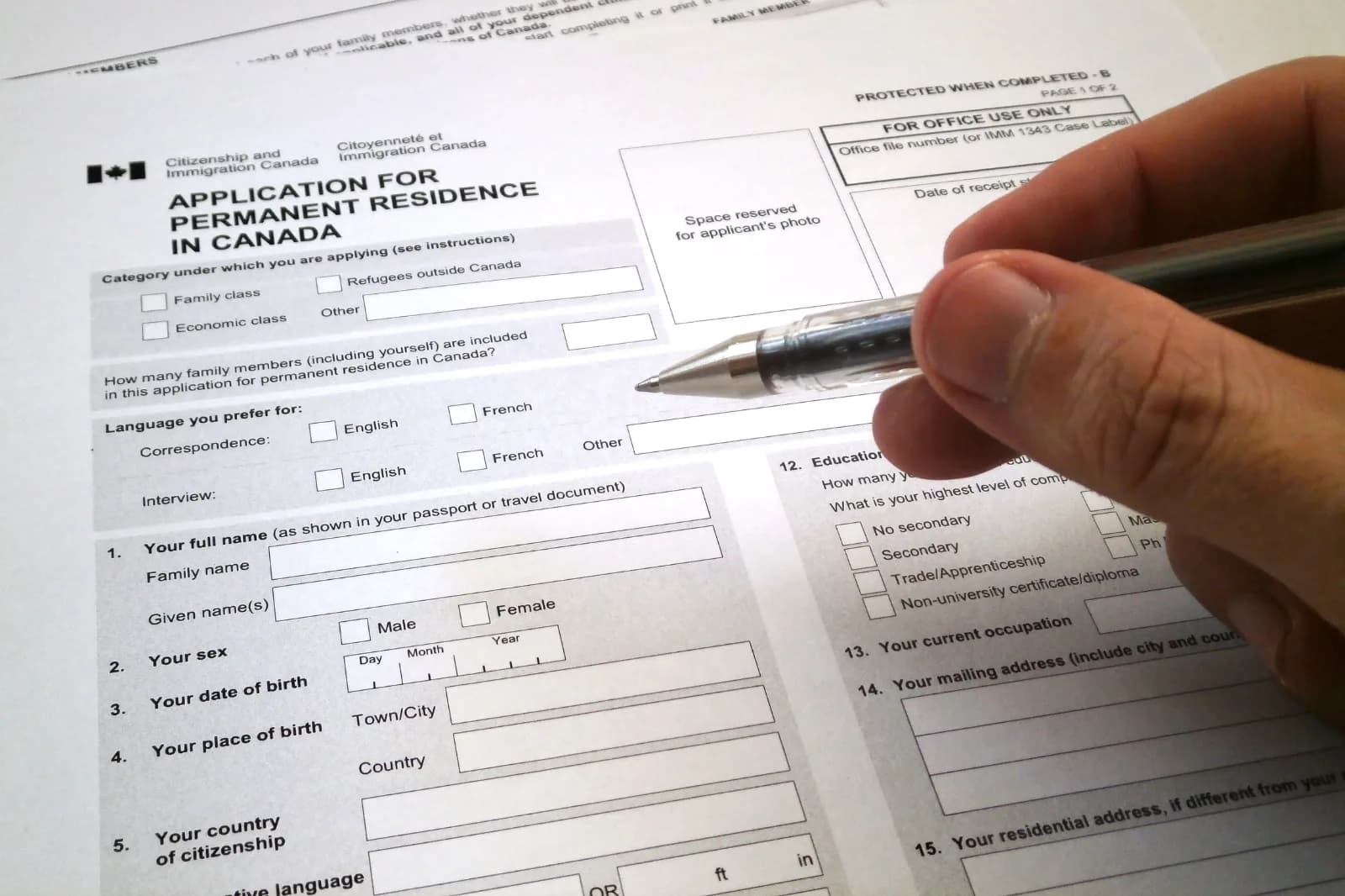
Applicant reviewing evidence and a procedural fairness letter response
Refusals & Appeals

Introduction

A procedural fairness letter from IRCC is an opportunity to answer a concern before a decision, not a refusal by itself. A useful procedural fairness letter response addresses every allegation, corrects inaccuracies with reliable evidence, follows the letter's deadline and channel, and avoids unsupported denials, blame, guarantees, or casual admissions.

This is general information, not legal advice. Follow the instructions and deadline in your own letter, and get qualified advice promptly when the concern is serious or unclear.

By Commonwealth Migration Group Inc.Published November 5, 2026Official source: canada.ca

Key takeaways

  • Read the letter as a list of concerns and instructions, then map every concern to a factual answer and supporting record.
  • Correct errors honestly, explain how discrepancies arose, and do not rely on a denial without evidence.
  • Use the deadline and submission method in the letter; ask for more time promptly if an essential record will not arrive.
  • A template can organize a response, but it cannot replace a case-specific review of the original application and evidence.
On this page13 sections
  1. 01What does receiving a procedural fairness letter mean?
  2. 02Match every allegation to a factual answer and evidence
  3. 03Misrepresentation and inaccurate information require direct answers
  4. 04Address relationship, employment, and document concerns with context
  5. 05Respond carefully to medical or criminal admissibility concerns
  6. 06How to respond to a procedural fairness letter step by step
  7. 07Protect the deadline without assuming an extension
  8. 08A practical framework - and what not to say
  9. 09Take the opportunity seriously and get help when needed
  10. 10Key terms explained
  11. 11Where to go next
  12. 12Official sources and legal references
  13. 13Frequently asked questions

What does receiving a procedural fairness letter mean?

A procedural fairness letter means an officer or decision-maker has identified a concern that needs your attention before deciding the application. It gives you an opportunity to provide explanations and evidence. It is not the same as a refusal, but it should be treated as a serious deadline because the decision-maker may proceed using the information already available if you do not respond. (canada.ca)

An IRCC procedural fairness letter should be read for four things: the exact concern, the records or facts said to be inconsistent, the date and channel for your response, and any file-size or translation instructions. Start with the substance of the concern, not with a generic argument that your application should be approved.

A request about authenticity is different from a concern that the evidence does not establish a requirement. The first may require confirmation from the issuer; the second may require additional records or a clearer explanation of how the facts meet the rule. If the allegation is unclear, request clarification promptly while continuing to prepare.

Match every allegation to a factual answer and evidence

Before drafting, create a working table with the officer's concern, your factual answer, and the documents that support it. This is the core of a PFL response checklist. It helps you avoid sending an impressive-looking bundle that never answers the question and makes it easier to spot a date, name, address, job duty, or amount that does not match across records.

Use the original application as the reference point. Retrieve the forms, statements, letters, attachments, payment confirmations, emails, and representative correspondence that were actually submitted. Do not draft from memory or from a later explanation that quietly changes what the original file said. If the application contains an error, identify it, explain how it happened, and state the correct fact with evidence.

Evidence map for a procedural fairness letter response

  • Concern: copy the decision-maker's concern accurately and identify the document or fact it relates to.
  • Answer: state the correct fact in a short sentence before adding context.
  • Explanation: describe how an error, gap, or discrepancy arose without blaming the officer or inventing certainty.
  • Evidence: attach the record that directly supports the answer and explain what it proves.
  • Cross-check: compare names, dates, addresses, job duties, amounts, and application numbers across the package.

A useful response makes the reviewer less likely to guess. Give every attachment a clear label and a short explanation of why it matters. If a record cannot be obtained, say what you requested, when you requested it, why it is unavailable, and what alternative evidence is included.

Misrepresentation and inaccurate information require direct answers

The Immigration and Refugee Protection Act addresses directly or indirectly misrepresenting or withholding material facts that induce or could induce an error in the administration of the Act. The concern is not resolved simply by writing that you did not intend to mislead. Explain the accurate facts, the source of the discrepancy, and the documents that allow the decision-maker to verify your account. (laws-lois.justice.gc.ca)

When people search for misrepresentation in Canada, they often want a magic phrase. There is no phrase that replaces a complete and truthful record. Intent, materiality, reliability, the surrounding facts, and the applicable legal test can matter in ways that depend on the file. If the letter raises possible misrepresentation, consider qualified Canadian immigration legal advice promptly rather than submitting a defensive or speculative answer.

Do not adopt a new version of events merely because it sounds more convenient. A response should not conceal a previous refusal, change employment duties to match a preferred classification, or present a guess as a verified fact. A candid explanation of an error is usually more useful than a blanket denial that conflicts with the records.

Address relationship, employment, and document concerns with context

For relationship concerns, provide a dated chronology supported by records that answer the particular question. Depending on the issue, that may include communication history, travel evidence, shared-address records, financial documents, photographs with context, or statements from people who know the relationship. More documents are not automatically better; choose material evidence that explains the concern.

For a questioned document, seek confirmation from the issuer where possible and explain the process used to obtain the record. If employment duties or a National Occupational Classification description is questioned, describe the work actually performed and connect the duties to employer records, contracts, schedules, pay statements, and reference letters. Do not rewrite the duties to fit a preferred classification.

For an inconsistency between forms, explain which answer was wrong and why. Include the correct answer and evidence. Preserve earlier forms and correspondence so the response shows that you are addressing the record rather than asking the officer to ignore it.

Common evidence themes

  • Relationship: dates, communication, travel, shared life, finances, and third-party context that answer the specific allegation.
  • Employment: employer confirmation, actual duties, dates, hours, wage records, and a clear explanation for any title or duty mismatch.
  • Education or licensing: confirmation from the issuing institution, transcript or registry details, and the steps used to obtain the record.
  • Identity or history: passports, addresses, travel records, prior applications, refusals, and corrections that keep the timeline consistent.

Respond carefully to medical or criminal admissibility concerns

A medical concern should answer the stated medical issue with current information from the appropriate professional or authority. Address the diagnosis, treatment, required services, costs, or mitigation facts that the letter identifies. Do not substitute a general statement that you are healthy for a response to a specific medical concern, and do not omit a relevant history because it is uncomfortable.

A criminal inadmissibility concern requires attention to the underlying facts and the records available in the relevant jurisdiction. Gather court dispositions, sentencing information, police records, and an explanation of the outcome rather than relying on a general statement that an offence was minor or finished. The response should allow the decision-maker to understand what happened, when it happened, and what legal record supports your description.

These topics can involve legal tests and consequences beyond a document checklist. If the concern could affect admissibility, ask a qualified professional to review the letter and records before you send a response. Keep the response factual and avoid arguing about law you have not verified.

How to respond to a procedural fairness letter step by step

A good response is organized around the letter, not around everything you have ever done. Use the following sequence to protect the deadline and keep the response readable. The instructions in your own letter control the submission route; IRCC says requested documents must be submitted through the method and within the time it specifies. (canada.ca)

PFL response checklist

  1. 1Record the letter date, deadline, application number, UCI, submission channel, file-size rules, and translation instructions.
  2. 2Recover the submitted application, forms, attachments, refusal notices, messages, and representative correspondence.
  3. 3Build a factual chronology and an allegation-to-evidence table before drafting explanations.
  4. 4Request missing records promptly from employers, schools, institutions, courts, or other record holders.
  5. 5Draft one answer for each concern, then label the evidence that supports each answer.
  6. 6Run a consistency check across names, dates, amounts, addresses, duties, and application identifiers.
  7. 7Submit through the instructed channel before the deadline and preserve the package and confirmation.

Use a short contents page or index when the response has several exhibits. A label such as Exhibit B - Employer confirmation of employment dates is more useful than a folder of files with generic names. Avoid sending unrelated documents that make the answer harder to follow.

Protect the deadline without assuming an extension

Use the deadline in your own letter rather than a timeline quoted online. Different procedures can have different response periods. If an essential record will not arrive in time, request an extension before the deadline using the channel in the letter. Explain what is missing, why it matters, what you have done to obtain it, and how much additional time you need. (canada.ca)

Do not treat silence as approval or assume that an extension request was granted. Continue preparing the rest of the package while the request is pending, and retain proof of the request. If the letter gives no clear method for asking, seek advice promptly and use the official contact route that applies to your application.

After submission, save the final response, uploaded files, confirmation number, sent email, and any delivery record. If a refusal follows, review the decision and available remedies immediately because some options have strict deadlines. A procedural fairness letter response is an opportunity, not a guarantee that the decision will be favourable.

A practical framework - and what not to say

A response framework can help with organization, but copying another applicant's letter can introduce inaccurate facts. Replace every bracketed idea with the details and records from your own application. Keep the tone precise, respectful, and focused on the concern.

Suggested structure: Re: Procedural fairness letter dated [date] | Applicant: [name] | UCI: [number] | Application: [number]. Dear Officer, I am responding to the concern about [specific issue]. The correct information is [fact]. The discrepancy arose because [truthful explanation]. Exhibit A contains [document] and supports [specific point]. Repeat the structure for every concern, then list the exhibits and confirm the submission method.

When deciding what not to say in a procedural fairness letter response, remove unsupported assertions, accusations, and emotional pressure. Explain what you provided, what was submitted, and what records support your account. A short personal context may be appropriate, but it should not replace an answer to the identified concern.

Replace these weak approaches with evidence

  • I gave everything, so this is not my responsibility. Explain what you provided and what the file shows instead.
  • It was just a small mistake. Identify the error, its effect, and the records that establish the correct fact.
  • You must approve me because I have waited so long. Address the concern and leave personal context secondary.
  • I guarantee the document is genuine. Provide issuer confirmation or verifiable records instead of a promise.
  • I cannot remember, but probably. Separate verified facts from uncertainty and request records where needed.

Take the opportunity seriously and get help when needed

A procedural fairness letter gives you a chance to make the record clearer before a decision. The strongest response is not necessarily the longest one. It is the one that answers every concern, explains every material discrepancy, identifies the evidence, and follows the instructions exactly.

If the allegations are unclear, the evidence conflicts, or the issue involves misrepresentation, inadmissibility, criminal records, a complex relationship history, or a potential court remedy, get qualified advice promptly. An authorized representative can help organize an application response within their scope, while legal advice may be needed for issues outside that scope. (fct-cf.gc.ca)

Key terms explained

Plain-language definitions for terms used in Procedural Fairness Letter: How to Respond and What Not to Say.

Procedural fairness letter
A notice that identifies a concern and gives an applicant an opportunity to respond before a decision is made.
Material fact
A fact that relates to a relevant issue and could affect the administration of an immigration application or decision.
Misrepresentation
Directly or indirectly stating an incorrect material fact or withholding a material fact in a way that can induce or could induce an error.
Exhibit
A clearly labeled supporting document attached to a response and referenced in the explanation.
Submission deadline
The date in the letter by which the response or requested documents must be received through the stated channel.
Judicial review
A court process that reviews the legality or fairness of a government decision, subject to strict rules and deadlines.

Where to go next

Compare these connected pages with the next decision raised by Procedural Fairness Letter: How to Respond and What Not to Say.

Official sources and legal references

Answered directly

Questions people ask about this

Answers about Procedural Fairness Letter: How to Respond and What Not to Say, with facts to verify against current official instructions.

Is a procedural fairness letter the same as an immigration refusal?

No. A procedural fairness letter identifies a concern and gives you a chance to respond before a decision. A refusal is a decision. Read the letter carefully, answer each concern, follow the stated submission method, and do not treat the opportunity as a guarantee that the application will be approved.

How long do I have to respond to a procedural fairness letter?

There is no single deadline for every letter. The date in your own letter controls, along with its submission instructions and any file-size or translation rules. If you need more time for an essential record, ask promptly through the stated channel and do not assume an extension was granted.

How should I respond to a procedural fairness letter from IRCC?

Start with the original application and make a list of every concern. Give a direct factual answer, explain any discrepancy, attach clearly labeled evidence, and repeat the process for each issue. Submit the organized response through the channel and by the deadline in the letter, keeping proof of delivery.

Can I use a template for a procedural fairness letter response?

A template can help organize headings, a contents page, and exhibit labels, but it cannot answer the facts in your letter. Replace every generic statement with a truthful explanation tied to your original application and records. Copying another applicant's wording can create new inconsistencies.

What should I include when the letter raises possible misrepresentation in Canada?

Identify the exact statement or omission, state the correct fact, explain how the discrepancy arose, and attach reliable records. Do not rely only on saying you did not intend to mislead. Because section 40 issues can have serious consequences, obtain qualified advice promptly when the concern is material or unclear.

What should I not say in a procedural fairness letter response?

Avoid blanket denials without evidence, accusations against the officer, unsupported guarantees, emotional demands for approval, and guesses presented as facts. Do not hide an earlier answer or submit a new version of events merely because it sounds better. Address the concern directly and explain what each document proves.

What if the procedural fairness letter contains a factual error?

Quote or identify the exact statement, give the correct fact, explain the source of the error, and attach reliable records such as travel, employment, school, or issuer documents. Address related concerns too. A bare denial may not resolve the question if the surrounding evidence remains inconsistent.

Should I ask IRCC for an extension to respond to a PFL?

Ask promptly if an essential document will not arrive before the deadline. Explain what you requested, when you requested it, why it matters, and how much additional time you need. Keep preparing the other sections and do not assume the request was accepted unless you receive confirmation.

How should I submit documents requested in a procedural fairness letter?

Use the account, web form, email, mail, or other channel named in the letter. Follow its file-size, naming, translation, and deadline instructions. After transmitting the response, save the final package, confirmation message, reference number, and any delivery record.

Can an authorized representative prepare a response to a procedural fairness letter?

You may appoint an authorized representative within the person's permitted scope, but you remain responsible for the accuracy and completeness of your application. Verify the licence, review the proposed response yourself, provide the full original record, and confirm that the response is submitted through the channel in the letter.

Ready to make the research personal?

Discuss how Procedural Fairness Letter: How to Respond and What Not to Say applies to your status, evidence and timeline.

Book a Consultation
EmailBook a Consultation
Chat on WhatsAppCall Commonwealth Migration Group Inc.