Resources · Brampton Immigration

PR After PGWP: Brampton Graduate Pathway Checklist

Yes, a graduate may pursue permanent residence after a PGWP if they qualify for an available federal or provincial pathway, but the PGWP itself does not grant…

By Commonwealth Migration GroupOfficial source: canada.ca9 min read
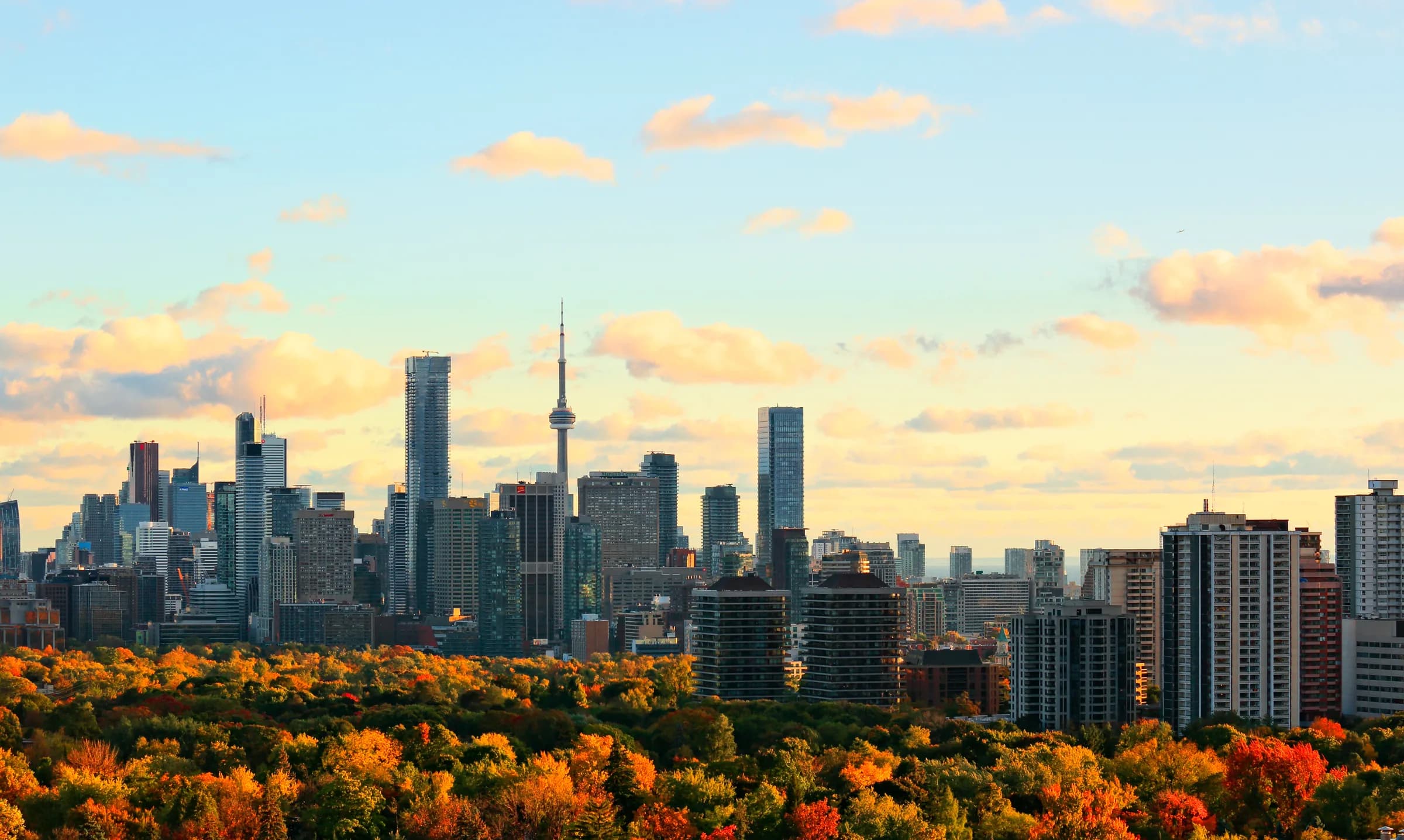
Toronto skyline at dusk reflecting over water
Brampton Immigration

Quick answer

Yes, a graduate may pursue permanent residence after a PGWP if they qualify for an available federal or provincial pathway, but the PGWP itself does not grant PR eligibility. Brampton graduates should track permit expiry, gain only qualifying work experience, meet language and occupation criteria, and check current Express Entry and Ontario rules before choosing a route.

General information, not advice on your file. Confirm current requirements before you act.

By Commonwealth Migration GroupOfficial source: canada.ca

Key takeaways

  • Yes, a graduate may pursue permanent residence after a PGWP if they qualify for an available federal or provincial pathway, but the PGWP itself does not grant PR eligibility.
  • Brampton graduates should track permit expiry, gain only qualifying work experience, meet language and occupation criteria, and check current Express Entry and Ontario rules before choosing a route.
  • Yes, some graduates can apply for permanent residence after a post-graduation work permit, but a PGWP is not a PR pathway by itself.
  • Eligibility depends on the graduate’s actual work experience, language results, education, occupation, status, and the immigration program that is open and relevant at the time.
On this page10 sections
  1. 01A Brampton-specific starting point
  2. 02Plan before the work permit clock is short
  3. 03Compare possible routes while you still have time
  4. 04Compare permanent residence routes after a PGWP
  5. 05Build a reliable work record while the PGWP is valid
  6. 06Before you act
  7. 07Key terms explained
  8. 08Where to go next
  9. 09Sources and further reading
  10. 10Frequently asked questions

A Brampton-specific starting point

Yes, some graduates can apply for permanent residence after a post-graduation work permit, but a PGWP is not a PR pathway by itself. Eligibility depends on the graduate’s actual work experience, language results, education, occupation, status, and the immigration program that is open and relevant at the time.

A common federal route to assess is the Canadian Experience Class. It requires qualifying skilled work in Canada and language results; IRCC does not require education for the CEC eligibility test, although education may affect ranking. Ontario’s 2026 nominee program has also changed, including the new Workforce Priority stream, which has its own employer and applicant rules. Read the current CEC requirements and Ontario Workforce Priority stream page.

Plan before the work permit clock is short

Before graduation, confirm whether your program is PGWP-eligible and what evidence is needed. After graduation, track the PGWP application window and the expiry of any current status. While working, keep employer letters, pay records, duties, hours, language scores, and a NOC comparison. These records help you assess whether your experience may fit a future PR route.

Brampton graduates may change jobs or work multiple part-time roles. Record each position separately, and do not assume that every job or hour counts toward CEC. Co-op work, unauthorized work, and some other categories are treated differently under IRCC rules.

The federal 2026–2028 Immigration Levels Plan includes a temporary initiative to transition some workers to PR, but it is not a blanket pathway for every temporary worker or PGWP holder. Wait for published criteria before relying on it.

A “Canada PR consultant Brampton” search may help someone compare service options; it cannot predict a draw or guarantee permanent residence.

Compare possible routes while you still have time

A useful starting point is to compare the route’s requirements with your current record, not with a friend’s successful application. For CEC, check whether your paid skilled work in Canada meets the required duration and exclusions, and identify the language test and level required for your occupation’s TEER. For another Express Entry program, there may be education, work-history, proof-of-funds, or other requirements. Category-based selection can be relevant only when your occupation or language profile matches a current category.

Ontario’s nominee program changed in 2026. The Workforce Priority stream has pathways with separate employer and worker criteria and an Expression of Interest process. Do not assume an old OINP stream is still open or that residence in Brampton creates a nomination opportunity. Check the live Ontario page and see whether your employer and job genuinely meet the current rules.

Create a status calendar with your PGWP expiry, passport expiry, language-test expiry, employer-letter request date, and any provincial or federal deadlines. A PR profile or EOI is not a work permit and does not, by itself, extend temporary status. Check the relevant IRCC instructions before you stop work, travel, or assume you may work while an application is pending.

Keep evidence from the beginning of each job: offer, duties, hours, pay, and employer information. If your role changes, document the new duties and dates. This is especially useful when a graduate takes more than one job in Peel or moves between employers.

Finally, separate eligibility from selection. A person may meet the minimum criteria but still wait for an invitation or nomination. Program criteria and invitation patterns can change, so recheck the official pages before making a costly decision such as enrolling in another program solely to improve a future application.

Compare permanent residence routes after a PGWP

A Post-Graduation Work Permit is temporary work authorization, not a promise of permanent residence. After graduation in Brampton, first identify which route fits the work you actually performed, your language results, education, and status. The Canadian Experience Class (CEC) is one Express Entry program; it generally requires at least 1,560 hours of qualifying paid Canadian work in TEER 0, 1, 2, or 3 during the three years before applying. Your duties and NOC classification matter more than the title on a pay stub.

An Express Entry profile can be useful even while you continue working, but creating a profile is not the same as submitting a permanent-residence application. You must meet an eligible program’s minimum rules before entering the pool. The 2026 Express Entry categories include French-language proficiency and selected occupations; candidates still need to qualify for one of the Express Entry programs and meet the instructions for a category round. A category match can affect selection opportunities, but does not guarantee an invitation.

Ontario’s 2026 redesign introduced the Ontario Workforce Priority stream for eligible workers with qualifying Ontario job offers and work experience, and the EOI portal opened in August. The old OINP streams listed as closed should not be treated as current options. For a Brampton worker, check the live OINP criteria and employer steps before paying for an assessment: Ontario selection and federal PR processing are separate stages, each with its own eligibility and evidence.

Questions that help narrow the route after graduation
Route to assessCanadian Experience ClassEvidence to check firstAuthorized paid Canadian work, NOC duties, hours, dates, and language test.
Route to assessCategory-based Express EntryEvidence to check firstEligibility for an Express Entry program plus the current category’s occupation or language instructions.
Route to assessOntario nominationEvidence to check firstCurrent Ontario Workforce Priority stream criteria, job-offer rules, and employer participation.
Route to assessOther federal programsEvidence to check firstEducation, work history, language, funds, and program-specific selection requirements.

Build a reliable work record while the PGWP is valid

Ask each employer for a detailed reference letter while you can still reach payroll or human resources. It should state your job title, employment dates, hours per week, wage, work location, and a clear description of your actual duties. Keep contracts, pay statements, tax documents, schedules, and records of any leave. A letter that says only “full-time employee” may not explain how the position matches a NOC description or how your experience is counted.

Record the NOC you believe fits your duties, then compare the lead statement and main duties rather than choosing the code with the most attractive immigration outcome. If your responsibilities changed, keep separate evidence for each period. Never inflate hours, combine unrelated duties, or ask an employer to sign a letter that is not accurate. Misrepresentation can cause refusal and future inadmissibility consequences.

Plan language testing, education credential assessment where needed, and passport renewal early. Language results expire, and a profile may become ineligible if a key document expires. If a nomination is part of the plan, follow the exact Ontario invitation and employer process; a provincial EOI or job offer does not extend a PGWP. Make a separate status calendar and apply for any eligible extension or change before your current authorization ends.

A practical post-graduation evidence folder

  • PGWP, study permit, graduation confirmation, and official transcript or completion letter.
  • Employer letters that describe actual duties, dates, hours, wage, and work location.
  • Pay statements, T4s, Notices of Assessment, contracts, and schedules that support each work period.
  • Valid language results, passport pages, education documents, and any ECA or provincial EOI records.

Before you act

Key terms explained

Plain-language definitions for terms used in PR After PGWP: Brampton Graduate Pathway Checklist.

Canadian Experience Class (CEC)
An Express Entry program for eligible applicants with qualifying skilled Canadian work experience.
NOC
Canada’s National Occupational Classification system for describing jobs and their main duties.
PGWP
A Post-Graduation Work Permit that may allow an eligible graduate to work temporarily in Canada.
Expression of interest (EOI)
A registration of interest that may be ranked or selected; it is not itself a nomination or PR application.
Invitation to apply (ITA)
A formal invitation to submit a complete permanent-residence application after selection.

Where to go next

Compare these connected pages with the next decision raised by PR After PGWP: Brampton Graduate Pathway Checklist.

Sources and further reading

Answered directly

Questions people ask about this

Answers about PR After PGWP: Brampton Graduate Pathway Checklist, with facts to verify against current official instructions.

Does a PGWP automatically lead to permanent residence?

No. It is a temporary work permit. A graduate must separately qualify for a federal or provincial permanent-residence pathway and meet its current selection requirements.

How much Canadian work experience do I need after a PGWP?

It depends on the pathway. CEC generally requires one year or 1,560 hours of qualifying skilled work in Canada within the relevant three-year period, but other routes have different requirements.

Will an Express Entry profile extend my PGWP?

No. Creating a profile does not extend a work permit or authorize work. Check IRCC’s current status rules and apply for any needed extension or other status before expiry.

Does a Canadian job guarantee permanent residence after a PGWP?

No. A job may help with work experience or a qualifying pathway, but it does not guarantee PR. You must meet the program requirements, and selection rounds and provincial streams can change.

Can I use work experience from full-time studies for CEC?

Generally, work gained while you were a full-time student does not count toward the Canadian Experience Class minimum, including co-op terms. Keep separate records of qualifying post-graduation work.

After graduating from a Brampton college, when should I apply for a PGWP?

IRCC generally requires a PGWP application within 180 days after your school confirms completion. Your study status can expire sooner, so check your permit and prepare as soon as you receive completion documents.

Can I stay in Canada after my PGWP expires while PR is processing?

An Express Entry profile or PR application does not automatically extend a work permit. Apply for another status or permit if eligible before expiry, and do not work without authorization.

Will a Canadian credential help my Express Entry score?

An eligible Canadian post-secondary credential may add CRS points, but it does not guarantee an invitation. Check IRCC’s current CRS criteria and confirm the credential meets the rules.

Should I choose a PR pathway before my PGWP is close to expiry?

Yes. Compare federal and provincial routes early, note each route’s requirements, and keep your temporary-status plan separate from your PR plan. An Express Entry profile does not itself authorize work.

Can I extend a PGWP if I have not received PR yet?

A PGWP is generally issued for a fixed period and is not extended just because a PR application is pending. Check whether a separate permit category or limited passport-validity correction applies to your circumstances.

Does a Brampton address change my PR options after a PGWP?

No. Federal permanent-residence eligibility is the same for Brampton graduates as for applicants elsewhere in Canada. Ontario nomination streams may be relevant, but living in Brampton by itself does not create CRS points, a nomination or a PR pathway.

Ready to make the research personal?

Discuss how PR After PGWP: Brampton Graduate Pathway Checklist applies to your status, evidence and timeline.

Book a Consultation
EmailBook a Consultation
Chat on WhatsAppCall Commonwealth Migration Group Inc.