


Resources · Canada Immigration News

Canada Immigration Levels Plan 2027–2029: What Applicants Should Know

IRCC has set 2027–2029 targets for permanent admissions and new temporary arrivals. Here is what the numbers cover, what they leave open, and how applicants should use them.

By Commonwealth Migration Group Inc.Published November 17, 20269 min read
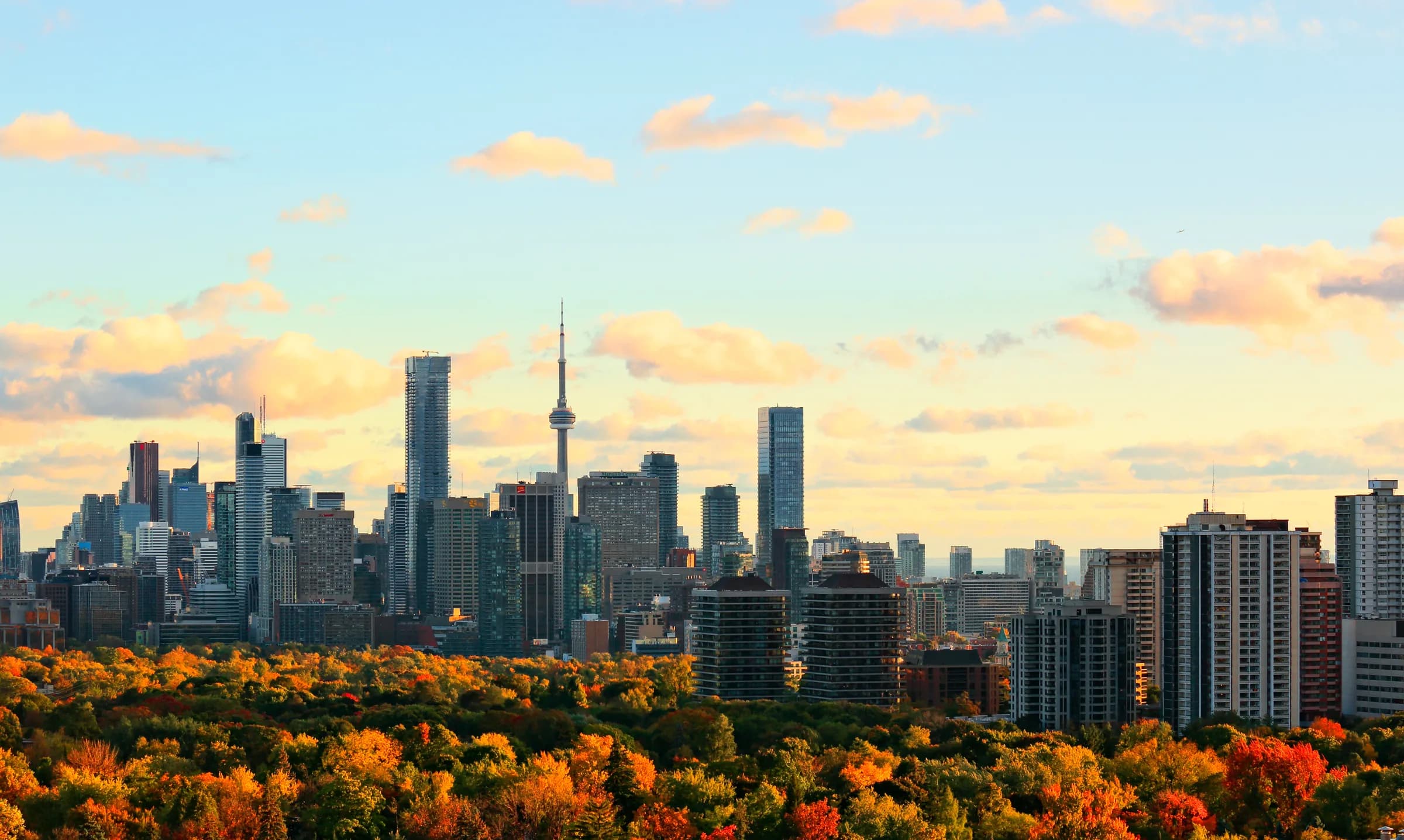
Canadian city district representing the national immigration plan
Canada Immigration News

Quick answer

Canada’s 2027–2029 Immigration Levels Plan keeps planned permanent resident admissions at 380,000 each year and sets 370,000 new temporary resident arrivals annually. These are national planning targets, not a promise to any one applicant or an open pathway. Your next step still depends on the program rules and evidence that fit your own situation.

General information, not advice on your file. Confirm current requirements before you act.

By Commonwealth Migration Group Inc.Published November 17, 2026Official source: canada.ca

Key takeaways

  • Canada plans 380,000 permanent resident admissions in each year from 2027 through 2029.
  • The plan sets 370,000 new temporary resident arrivals a year, including 220,000 workers and 150,000 students.
  • The economic category remains the largest part of planned permanent residence admissions at 64.4%.
  • Temporary arrival targets do not count visitors, permit extensions or in-Canada permit applications as new arrivals.
  • Some time-limited 2027 measures are intended for people already in Canada; they are not general new pathways.
  • A national target does not tell you whether a specific stream is open or whether you qualify.
On this page10 sections
  1. 01What did Canada announce in its 2027–2029 immigration plan?
  2. 02What are Canada’s immigration targets for 2027 to 2029?
  3. 03What do the temporary resident arrival targets actually count?
  4. 04What does 380,000 permanent resident admissions mean for applicants?
  5. 05Are there new permanent residence measures for people already in Canada?
  6. 06What should applicants do with the new targets?
  7. 07Key terms explained
  8. 08Where to go next
  9. 09Official sources
  10. 10Frequently asked questions

What did Canada announce in its 2027–2029 immigration plan?

IRCC released the 2027–2029 Immigration Levels Plan on November 5, 2026. The headline is steady: planned permanent resident admissions stay at 380,000 a year, while new temporary resident arrivals are set at 370,000 in each of the three years. If you have been watching for a dramatic rise or fall in the overall number, this plan is more about holding the line and deciding where those spaces go.

That distinction matters when you are making a personal plan. A levels table describes the size and shape of the immigration system. It does not create eligibility, reopen a closed intake or promise that a particular applicant will be selected. The useful question is what the targets mean for the route you are already considering.

If you are looking up Canada immigration targets 2027, the central numbers are 380,000 permanent resident admissions and 370,000 new temporary arrivals. The Canada immigration levels plan 2027-2029 is also a snapshot, not a permanent rulebook. IRCC says some future-year ranges are notional and can be confirmed or adjusted later, so keep checking the program page that governs your file.


What are Canada’s immigration targets for 2027 to 2029?

The most useful way to read the targets is to keep permanent admissions and temporary arrivals in separate columns. They measure different things. A permanent resident admission is someone becoming a permanent resident; a temporary resident arrival is a new arrival under a covered study or work program.

The temporary resident target 2027 Canada publishes is 370,000 new arrivals, with an overall range of 355,000 to 385,000. IRCC divides the target into 220,000 workers and 150,000 students. The specific program mix can change as governments adjust future planning.

National targets in the 2027–2029 Immigration Levels Plan
MeasurePlanned permanent resident admissions2027380,0002028380,0002029380,000
MeasureNew temporary resident arrivals2027370,0002028370,0002029370,000
MeasureNew worker arrivals2027220,0002028220,0002029220,000
MeasureNew student arrivals2027150,0002028150,0002029150,000
MeasureInternational Mobility Program workers2027170,0002028170,0002029170,000
MeasureTemporary Foreign Worker Program workers202750,000202850,000202950,000

What do the temporary resident arrival targets actually count?

The 370,000 figure is not a ceiling on every person who enters Canada temporarily. IRCC counts new arrivals under covered work and study programs. Visitors arriving with a temporary resident visa or an eTA are not included in this target, and neither are people extending a permit or applying from inside Canada to change or renew their status.

That does not mean those groups are invisible in the government’s planning. IRCC says asylum claimant volumes and in-Canada study or work permit applications feed into the broader calculations behind its goal for the non-permanent resident population. They are simply not counted as new arrivals in the target table.

This matters most for people already here. If you are extending a valid work permit or moving from a study permit to another status, do not assume that the national target alone decides your case. Check the rules for your specific application, including any deadline or condition attached to your current status.

The 370,000 target includes and excludes different groups

  • Included: new arrivals under the International Mobility Program and the Temporary Foreign Worker Program.
  • Included: new international students studying for at least six months at an eligible designated learning institution.
  • Not included as new arrivals: visitors entering with a visa or eTA.
  • Not included as new arrivals: in-Canada permit extensions or applications to change status.
  • Not included as new arrivals: asylum claimants, though their volumes are part of broader population planning calculations.

What does 380,000 permanent resident admissions mean for applicants?

Canada permanent resident admissions 2027 are planned at 380,000, matching the figure for 2028 and 2029. Within that total, the economic category remains the largest share at 64.4%. The plan also holds the family category at 21.3%, refugees and protected persons at 13%, and Humanitarian and Compassionate and Other at 1.3% across the three years.

Those percentages help explain the direction of the system, but they should not be read as personal odds. A larger economic share does not make every economic stream easier. Express Entry rounds can still have different eligibility rules and cut-offs, and a provincial nominee program may use its own allocation and selection priorities.

The plan also sets targets for French-speaking permanent resident admissions outside Quebec: 9.5% in 2027, 10.5% in 2028 and 12% in 2029. If French is part of your profile, this signals continued policy attention. It does not replace the language, program or category requirements you must meet to be considered.

Permanent residence category shares in the plan
CategoryEconomicShare across 2027–202964.4%
CategoryFamilyShare across 2027–202921.3%
CategoryRefugees and protected personsShare across 2027–202913%
CategoryHumanitarian and Compassionate and OtherShare across 2027–20291.3%

Are there new permanent residence measures for people already in Canada?

Yes. Alongside the regular levels plan, IRCC announced time-limited 2027 spaces intended for selected groups already living in Canada. The government has described an optional provincial and territorial allocation for up to 100,000 workers and family members, as well as separate measures for people with existing applications under the Hong Kong and Ukraine family pathways and other defined cohorts.

This is one reason the Canada permanent resident admissions 2027 headline does not tell the whole story. Some of these people already live and work here, and the government says the transition measures are separate from new temporary arrivals. But a broad announcement does not mean every worker, spouse or former applicant can simply submit a new application.

The practical details matter: a province may choose which workers are established in its communities and meet local labour needs, and IRCC has not turned the announcement into a general application window. If you have an existing file under a named pathway, keep following that file. If you do not, wait for formal criteria instead of relying on a social media summary or a paid promise.

What the announcement does not do

  • It does not guarantee permanent residence to every temporary worker in Canada.
  • It does not reopen closed Hong Kong or Ukraine application pathways.
  • It does not replace the rules for a pending application or extend temporary status by itself.
  • It does not require applicants in the named existing cohorts to contact IRCC to be considered under the additional spaces.

What should applicants do with the new targets?

Start with the route you are actually eligible for today. If your plan is Express Entry, confirm your program eligibility, language results and work history. If you are considering a provincial nomination, check the current province-specific intake. If your path begins with a work or study permit, review the current permit rules and make sure the plan still works if a later transition is not available.

A useful example is a graduate who hopes to study in Canada, gain Canadian experience and then apply for permanent residence. The 150,000 student target does not decide whether that person will receive a study permit, get a post-graduation work permit or qualify for permanent residence. Those are three separate decisions with different criteria. The target is context; the application rules are the next step.

Keep a dated copy or link to the official instructions you relied on, and check them again shortly before filing. IRCC’s supplementary plan and its active program pages answer different questions: one describes the system’s scale, the other tells you what to submit and when.

Key terms explained

Plain-language definitions for terms used in Canada Immigration Levels Plan 2027–2029: What Applicants Should Know.

Immigration Levels Plan
IRCC’s multi-year plan for the number and mix of permanent resident admissions and selected temporary resident arrivals.
Permanent resident admission
A person counted when they become a permanent resident of Canada, whether they were previously outside or already inside Canada.
Temporary resident arrival
A new arrival under a covered work or study program; it does not mean every visitor or every person extending a permit.
Economic category
The part of the permanent residence plan that includes federal skilled programs, provincial nominees and other economic pathways.

Where to go next

Compare these connected pages with the next decision raised by Canada Immigration Levels Plan 2027–2029: What Applicants Should Know.

Official sources

Answered directly

Questions people ask about this

Answers about Canada Immigration Levels Plan 2027–2029: What Applicants Should Know, with facts to verify against current official instructions.

Does the 2027–2029 plan guarantee 380,000 permanent resident admissions each year?

No. The figure is the national target in the plan, with published ranges and later adjustments possible. It does not guarantee that any one program will have a certain number of invitations or that an individual application will be approved.

Does the 370,000 target include every temporary visa holder?

No. It covers new arrivals under the listed work and study programs. Visitors arriving with visas or eTAs, in-Canada permit extensions, status changes and asylum claimants are not counted as new arrivals in that target, although some volumes inform broader population calculations.

How many new international students does Canada plan to admit in 2027?

The plan sets a target of 150,000 new student arrivals in each of 2027, 2028 and 2029. It is a national planning number, not a promise of a study permit, admission to a particular school or a later work permit.

Are the targets for 2028 and 2029 final?

The plan sets targets for those years, but IRCC describes future-year targets and ranges as notional and says they may be confirmed or adjusted later. Recheck the official levels plan as annual details are updated.

Will the new levels plan change Express Entry draw cut-offs?

The plan does not set an Express Entry cut-off score or guarantee a draw size. IRCC chooses the type and size of each round. Applicants should follow the official rounds page and review the criteria for the program or category they may qualify under.

Does the economic category share make it easier to get permanent residence?

Not by itself. The 64.4% share shows the planned mix of admissions, not a pass mark or an individual probability. Eligibility, provincial allocations, category rules, invitation numbers and the strength of the applicant pool still matter.

Do the 2027 targets count people who already live in Canada?

Some permanent residence measures are designed for people already here, and IRCC has described additional time-limited spaces for specific cohorts. Those announcements do not mean the temporary arrival target counts them as new arrivals or that everyone in Canada qualifies.

Should an international student change plans because the student target is 150,000?

A national target alone is not a reason to change a study plan. Check the current study permit rules, school eligibility, finances and any post-graduation plans separately. A study permit does not guarantee a later work permit or permanent residence.

Where can I check the official 2027–2029 immigration targets?

Use IRCC’s supplementary information for the 2027–2029 Immigration Levels Plan. For an application, also read the specific program page and its current document checklist, since those instructions control the filing requirements.

What should I do if I already have a permanent residence application in process?

Continue to monitor the application through its official account and follow any instructions IRCC sends. The levels plan does not normally require you to submit a second application or change your existing file unless IRCC tells you to do so.

Ready to make the research personal?

Discuss how Canada Immigration Levels Plan 2027–2029: What Applicants Should Know applies to your status, evidence and timeline.

Book a Consultation
EmailBook a Consultation
Chat on WhatsAppCall Commonwealth Migration Group Inc.