


Resources · Canada Immigration News

Canada Asylum Process Changes: What Came Into Effect November 3

Canada’s asylum process changed on November 3, 2026. This guide separates the new claim process from eligibility rules and explains the practical deadlines claimants should watch.

By Commonwealth Migration Group Inc.Published November 17, 20269 min read
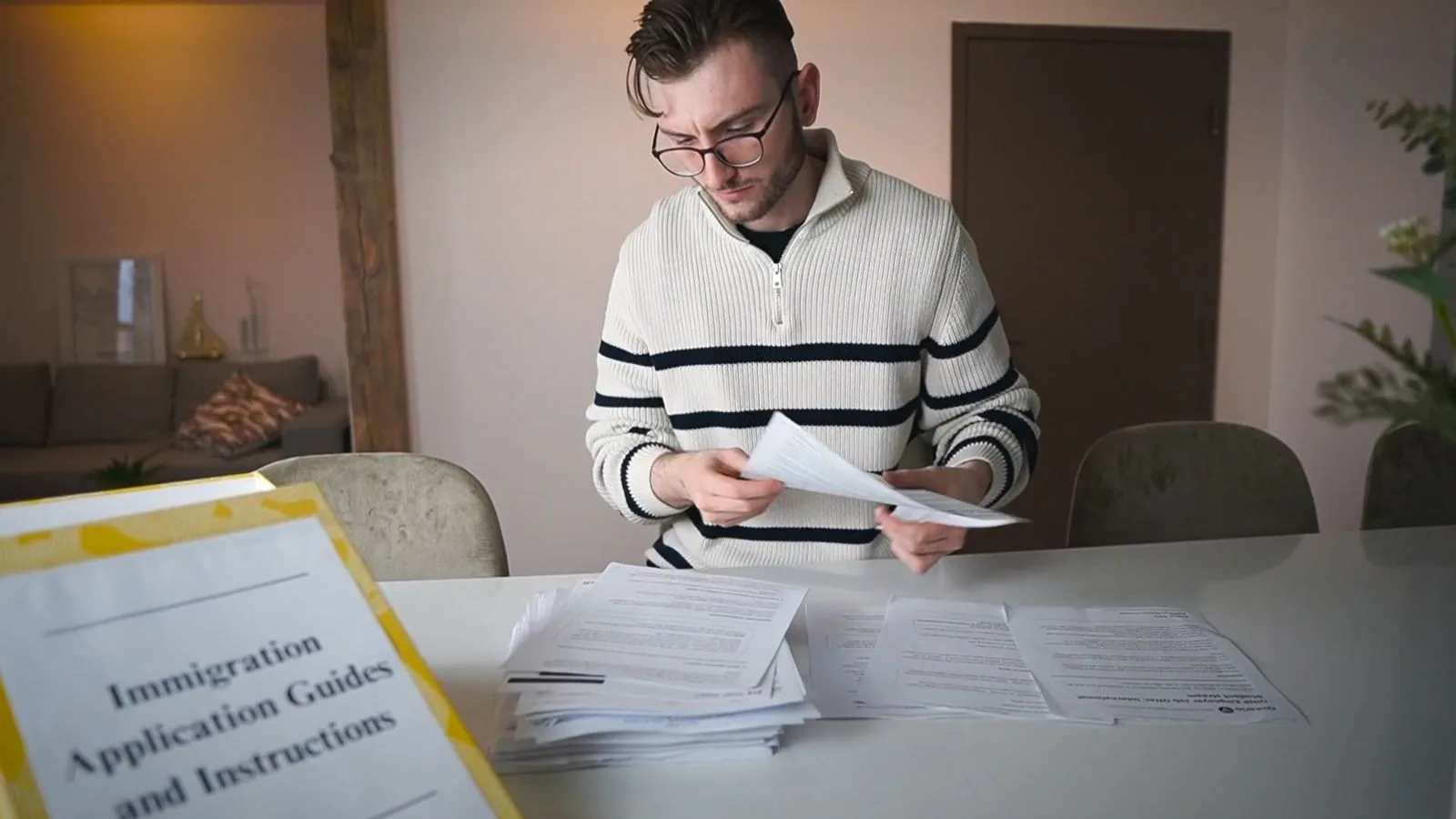
Immigration application documents arranged for careful review
Canada Immigration News

Quick answer

Canada’s asylum process was updated on November 3, 2026, with one online application process, clearer review timelines and earlier screening. Separate eligibility rules can affect some claims started after June 2, 2025. These changes do not decide whether a person needs protection; eligible claims still go to the independent Refugee Board for a decision.

General information, not advice on your file. Confirm current requirements before you act.

By Commonwealth Migration Group Inc.Published November 17, 2026Official source: canada.ca

Key takeaways

  • The process changes took effect November 3, 2026, under regulations made after Bill C-12 became law.
  • All claims, whether made inland or at a port of entry, use a single online application process.
  • A claim becomes official once the claimant presents the completed application in person to an officer.
  • The additional eligibility rules are separate and affect claims started after June 2, 2025, subject to exceptions.
  • Claimants should treat document deadlines, contact details and requests for information as important parts of the case.
  • IRCC or CBSA checks eligibility; the independent Immigration and Refugee Board decides whether protection is needed.
On this page10 sections
  1. 01What changed in Canada’s asylum process on November 3?
  2. 02How does the new online asylum application process work?
  3. 03Which asylum claim eligibility rules are separate from the new process?
  4. 04Why do the new screening steps and deadlines matter?
  5. 05What support is available to vulnerable claimants?
  6. 06What should a person with a pending or new claim do now?
  7. 07Key terms explained
  8. 08Where to go next
  9. 09Official sources
  10. 10Frequently asked questions

What changed in Canada’s asylum process on November 3?

Canada asylum process changes 2026 are easiest to understand as two related but separate updates. First, new regulations modernized how a claim is submitted and screened. Second, eligibility rules introduced earlier under the Strengthening Canada’s Immigration System and Borders Act continue to affect some claims. Mixing those two pieces together can make a headline sound broader than the law actually is.

The new process began on November 3, 2026. IRCC described one online application process for inland claims and claims made at a port of entry, with clearer timelines for key government reviews and updated rules for claims that are withdrawn or may be considered abandoned. The goal is to make the sequence and expectations more predictable.

IRCC has also reported that asylum claims fell from January through August 2026 compared with the same period in 2025 and 2024. Those national numbers explain why the system is receiving attention; they do not say anything about the merits or eligibility of an individual person’s claim.


How does the new online asylum application process work?

The Canada asylum application process November 2026 now uses a single online route for claims made from inside Canada and at a port of entry. That is a change in how the information is gathered and submitted; it does not mean a claimant can complete every step from home without meeting an officer.

IRCC’s current guidance says the application becomes official only once it is presented in person to an officer. Applicants should read the instructions they receive carefully, complete the online forms as directed and attend the appointment or in-person step required for their situation. Keep a copy of what you submitted and the confirmation or appointment details.

The department says the updated forms remove duplicate questions and reduce paperwork. Even with a simpler form, the facts still need to be complete and consistent. Dates, travel history, identity details and the explanation of what happened should agree across the application and supporting records.

Good habits during the online application

  • Use the current official portal and follow the instructions for your location and claim type.
  • Save a copy of the forms, uploaded documents and submission confirmations.
  • Make sure the account’s email, phone number and mailing address stay current.
  • Do not assume an online draft or submission alone means the claim is officially filed; complete the in-person step IRCC requires.

Which asylum claim eligibility rules are separate from the new process?

The Canada asylum claim eligibility rules 2026 include two additional bars introduced under legislation that became law on March 26, 2026. IRCC says these rules affect claims started after June 2, 2025. In general terms, a claim may be ineligible if it is made more than one year after a person first entered Canada after June 24, 2020, or more than 14 days after someone entered between ports of entry along the Canada–United States border.

The dates and exceptions are important. IRCC identifies unaccompanied minors as an exception and also describes a rule for people who register their intention to seek asylum through the online portal within their first year in Canada. The exact facts of entry, prior stays, claim start and family situation may matter, so an applicant should not decide eligibility from a headline or a short social post.

Eligibility screening is a threshold question. IRCC or the Canada Border Services Agency checks whether a claim can be referred to the Immigration and Refugee Board of Canada. If a claim is eligible, the Board then considers whether the person needs Canada’s protection. Passing the first check is not an approval; failing to understand the timing rules can also have serious consequences.

Two different parts of the asylum system
QuestionApplication processWhat it addressesHow the claim is submitted, screened and moved through procedural steps.
QuestionEligibilityWhat it addressesWhether IRCC or CBSA can refer the claim to the Refugee Board.
QuestionProtection decisionWhat it addressesWhether the independent Refugee Board finds the person needs protection.

Why do the new screening steps and deadlines matter?

The updated process brings more checks earlier. IRCC says full screening and due diligence will identify fraud concerns and other issues before a claim is referred for a hearing. This does not mean every concern is a finding against a claimant, but it does mean that clear, truthful information from the start is especially important.

For claims eligible for referral to the Refugee Board, IRCC’s backgrounder says claimants will have 60 days to submit the completed application and required documents, with a one-time 30-day extension available on request. The regulations also set firmer expectations for submitting evidence and updating a claimant’s story. If someone does not respond, provides an incomplete claim or fails to follow an instruction, the claim may be referred for abandonment under the rules.

Keep a simple record of what IRCC or CBSA asked for, the date it was received, the due date and how the response was submitted. If a document is not available, do not stay silent: follow the official instructions for explaining the delay or request the appropriate help before the deadline passes.

A practical record to maintain

  • Copies of every form and supporting document submitted.
  • A dated list of letters, portal messages, appointments and deadlines.
  • Proof that a response or requested document was sent on time.
  • Current contact details and a plan to check the account regularly.
  • A consistent timeline of important events, travel and any changes in circumstances.

What support is available to vulnerable claimants?

The new regulations allow designated representatives to be appointed earlier in parts of the process for some claimants who need support, including unaccompanied minors and people who may not understand the proceedings. The representative’s role is to help the person understand and participate in the process; it is not the same thing as a lawyer or a promise about the outcome.

IRCC has also stated that eligible claimants can continue to access work permits after submitting a complete claim. Eligibility and timing still depend on the claim process and the relevant requirements. A claimant should not assume that a work permit is issued automatically as soon as they begin an online form.

If you are helping a family member, focus on practical support: make sure they can understand the notices, attend appointments, keep records and get qualified help when needed. For a child or someone who has difficulty understanding the process, raise that need through the official channels rather than waiting for a hearing date.

What should a person with a pending or new claim do now?

Start with the notice or account message that applies to your own claim. Do not use an older checklist if IRCC has sent you a new form or appointment instruction. Keep your personal timeline and records together, and make sure every person supporting you is working from the same dates and facts.

If your situation includes a late claim, a border crossing between ports, a previous visit to Canada, a withdrawn application or a missed deadline, get advice specific to those facts. This is a protection process with consequential rules; a small detail in the timeline can change what procedure applies.

The new Canada asylum reforms November 3 2026 are intended to make the process clearer and more timely, but a faster process also means that applicants need to respond when asked. Check IRCC’s current asylum page, the official notice in your file and any current legal guidance before acting.

Key terms explained

Plain-language definitions for terms used in Canada Asylum Process Changes: What Came Into Effect November 3.

Asylum claim
A request for refugee protection in Canada that first goes through an eligibility check before an eligible claim is referred to the Refugee Board.
Eligibility
The initial determination of whether a claim can be referred to the independent Immigration and Refugee Board for a protection decision.
IRB
The Immigration and Refugee Board of Canada, an independent tribunal that decides eligible refugee protection claims.
Designated representative
A person appointed to help a claimant who needs support understand and participate in some parts of the asylum process.

Where to go next

Compare these connected pages with the next decision raised by Canada Asylum Process Changes: What Came Into Effect November 3.

Official sources

Answered directly

Questions people ask about this

Answers about Canada Asylum Process Changes: What Came Into Effect November 3, with facts to verify against current official instructions.

When did the new Canadian asylum process take effect?

The updated regulations came into force on November 3, 2026. They introduced one online application process and made changes to screening, timelines, support and the treatment of some withdrawn or incomplete claims.

Do the new asylum rules mean every claim must be filed online?

IRCC says a single online application process applies to claims made inland or at a port of entry. The claim becomes official once the completed application is presented in person to an officer, so applicants must still follow the in-person instructions for their case.

Are the new eligibility rules the same as the new application process?

No. The modernized process describes how a claim is submitted and reviewed. The additional eligibility rules are a separate threshold question about whether IRCC or CBSA can refer a claim to the Immigration and Refugee Board.

Who can be affected by the one-year asylum eligibility rule?

IRCC says the additional rules affect claims started after June 2, 2025, and can apply when someone makes a claim more than one year after first entering Canada after June 24, 2020. Exceptions exist, so the entry and filing dates need careful review.

What is the 14-day rule for asylum claims at the Canada–US border?

A claim may be ineligible if it is made more than 14 days after a person enters Canada between ports of entry along the Canada–US border. The rule has exceptions and should be checked against the claimant’s exact entry and filing facts.

Are children exempt from the additional asylum eligibility rules?

IRCC identifies unaccompanied minors as an exception to the additional rules. The details of the claimant’s age, guardianship and circumstances still matter, so families should use the current official instructions and seek case-specific advice where needed.

Does an eligible asylum claim mean the person will receive refugee protection?

No. Eligibility only allows a claim to be referred to the Immigration and Refugee Board. The Board independently decides whether the claimant needs Canada’s protection based on the evidence and applicable legal test.

Can an asylum claimant get a work permit under the updated system?

IRCC says eligible claimants may access work permits after submitting a complete claim. This is not automatic for every person who starts an online application; eligibility and timing depend on the claim and current requirements.

What can happen if a claimant misses a deadline or leaves a form incomplete?

The regulations set firmer timelines for evidence and updates, and a claim that remains incomplete or receives no response may be referred for abandonment under the applicable rules. Read every notice promptly and follow the official steps before a deadline expires.

Should someone with a late or withdrawn claim rely on a general summary?

No. Prior entries, the date a claim began, any withdrawal and missed deadlines can affect the procedure. Use the current IRCC notice and get qualified help based on the specific facts rather than making a decision from a general article.

Ready to make the research personal?

Discuss how Canada Asylum Process Changes: What Came Into Effect November 3 applies to your status, evidence and timeline.

Book a Consultation
EmailBook a Consultation
Chat on WhatsAppCall Commonwealth Migration Group Inc.