Resources · Brampton Immigration

Citizenship Application Brampton: 1,095-Day Checklist

Most adult citizenship applicants need 1,095 days of physical presence in Canada during the five years before applying.

By Commonwealth Migration GroupOfficial source: canada.ca9 min read
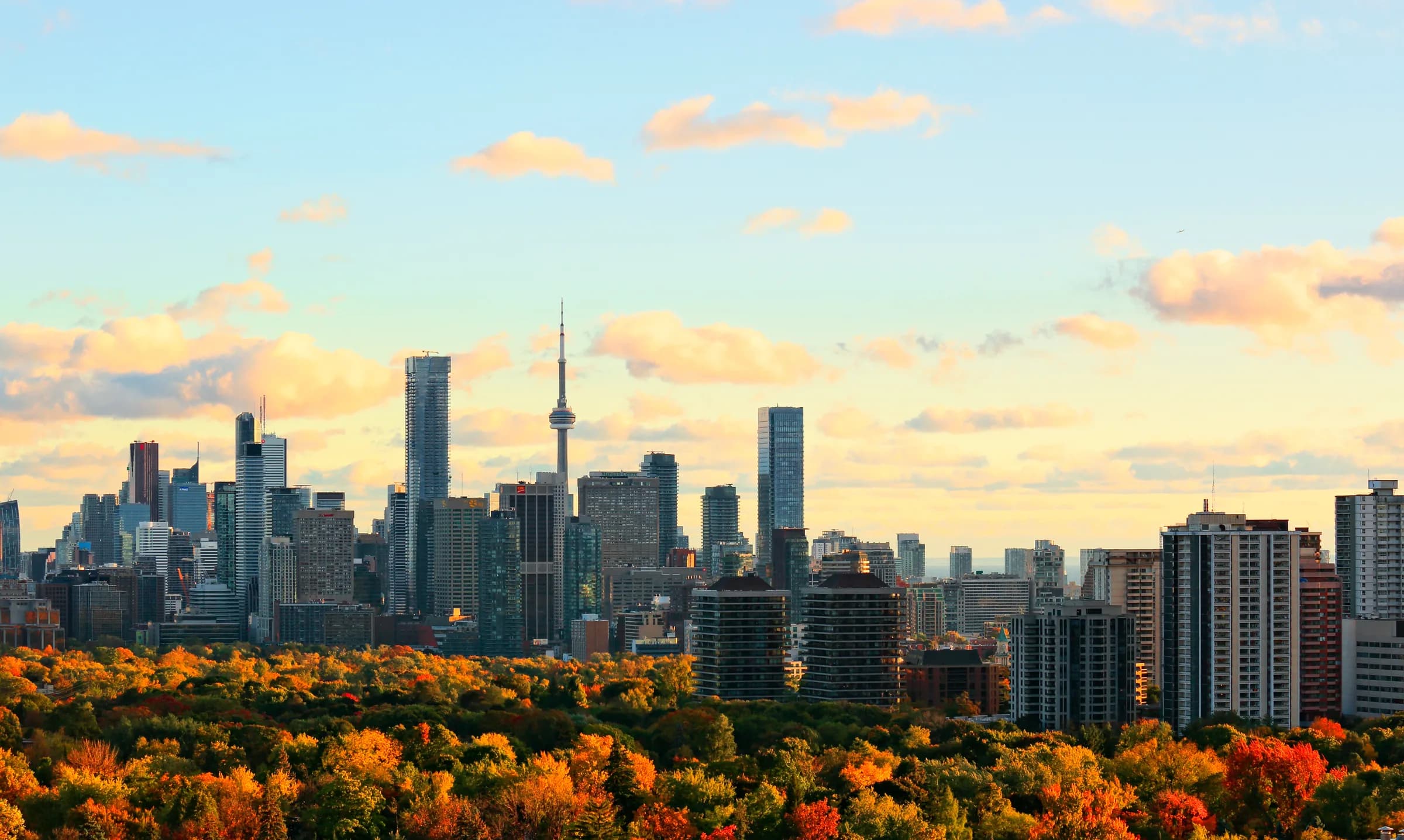
Black-and-white view of downtown Toronto and the CN Tower
Brampton Immigration

Quick answer

Most adult citizenship applicants need 1,095 days of physical presence in Canada during the five years before applying. Some pre-PR time in Canada may count as half-days, up to a maximum credit of 365 days. Applicants must also meet other requirements, which can include tax filing, language proof, and a citizenship test.

General information, not advice on your file. Confirm current requirements before you act.

By Commonwealth Migration GroupOfficial source: canada.ca

Key takeaways

  • Most adult citizenship applicants need 1,095 days of physical presence in Canada during the five years before applying.
  • Some pre-PR time in Canada may count as half-days, up to a maximum credit of 365 days.
  • Applicants must also meet other requirements, which can include tax filing, language proof, and a citizenship test.
  • Most adult applicants must have been physically present in Canada for at least 1,095 days during the five years before applying for citizenship.
On this page10 sections
  1. 01A Brampton-specific starting point
  2. 02Make a Brampton citizenship file
  3. 03Reconcile the day count with your source records
  4. 04Calculate citizenship physical presence from the right five-year window
  5. 05Review tax, language, and travel details before filing
  6. 06Before you act
  7. 07Key terms explained
  8. 08Where to go next
  9. 09Sources and further reading
  10. 10Frequently asked questions

A Brampton-specific starting point

Most adult applicants must have been physically present in Canada for at least 1,095 days during the five years before applying for citizenship. Some time in Canada as a temporary resident or protected person may count as half-days, up to a maximum of 365 days. Other requirements also apply, including tax-filing obligations and, for many applicants aged 18 to 54, proof of language ability. Review the official citizenship eligibility requirements.

IRCC encourages applicants to use its online physical-presence calculator and to apply with more than the minimum where possible, so a date-counting mistake does not put the application below the threshold. The calculator’s result does not replace your responsibility to give complete and accurate travel dates.

Make a Brampton citizenship file

Prepare a five-year calendar of travel outside Canada, addresses, work or study history, and any time before permanent residence that might count. Compare passport stamps, tickets, travel emails, and other records. Keep the calculation printout and correct any missing dates before signing the application.

Check the current forms and accepted language evidence. Confirm whether your tax-filing obligations were met for the required years. Do not assume that meeting the day count alone completes the eligibility test.

If you moved to Brampton recently, prior time in another Canadian city still counts as Canadian physical presence. The question is where you were physically present, not which municipality you lived in.

A Canadian citizenship application can have serious consequences if travel dates or history are incomplete. Ask for a file review if your record includes long or frequent trips, previous inadmissibility concerns, or uncertain temporary status.

Reconcile the day count with your source records

Choose a planned application date, then use IRCC’s physical-presence calculator for the five-year period before that date. Enter each trip outside Canada with the correct departure and return dates, including short trips. Compare the calculation with passport stamps, tickets, emails, employer travel records, and any other reliable source. A one-day difference can matter when the application is close to the minimum.

If you were in Canada before becoming a permanent resident, check whether eligible temporary-resident or protected-person days can be credited as half-days, up to the statutory maximum. Do not count the same period twice or assume that every kind of temporary status qualifies. Follow the current calculator and application guide.

The physical-presence threshold is only one part of citizenship eligibility. Check the income-tax filing requirement for the relevant years, language evidence and test rules for your age group, prohibitions, and any other requirements that apply to your category. Use the current application checklist rather than a prior applicant’s form package.

Save a copy of the calculation and the travel records used to prepare it. If dates are uncertain, resolve the discrepancy before signing. Do not apply on the first day you calculate at the minimum if a small correction could put you below it. IRCC encourages applicants to consider a buffer, but the right filing date depends on the person’s record.

If you recently moved to Brampton from elsewhere in Canada, time physically present in another Canadian city still counts. The calculation tracks presence in Canada, not residence in a particular municipality.

Calculate citizenship physical presence from the right five-year window

Most adult citizenship applicants must have at least 1,095 days of physical presence in Canada during the five years immediately before the application. The calculation is not based on how long you have lived in Brampton or how many years have passed since landing. Use the official IRCC physical-presence calculator, enter every trip outside Canada, and check that the selected five-year window matches the date you intend to sign and submit.

Some time in Canada before becoming a permanent resident may count as half a day for each eligible day, up to a maximum credit of 365 days. You still need at least 730 days as a permanent resident within the five-year period. The credit rules are specific, so do not assume every temporary stay counts. Keep permits, entry records, travel itineraries, and school or employment records to support dates that may not be obvious from a passport stamp.

A practical approach is to build a travel ledger with departure and return dates, destination, reason, and the source used to confirm each date. Reconcile passport stamps with airline history, old calendars, and CBSA travel history where available. If you are uncertain about a trip date, use a conservative estimate and retain a note about the uncertainty rather than rounding in the direction that makes you eligible.

Core physical-presence checks for an adult citizenship file
CheckPresence totalGeneral rule to verifyAt least 1,095 days in the applicable five-year period.
CheckPermanent-resident timeGeneral rule to verifyAt least 730 days as a PR; temporary-resident credit is capped.
CheckTax filingGeneral rule to verifyFile taxes for at least 3 years in the five-year period if required under the Income Tax Act.
CheckLanguage and testGeneral rule to verifyApplicants aged 18–54 generally need language evidence and must meet the citizenship-test requirement.

Review tax, language, and travel details before filing

Physical presence is only one eligibility item. Check tax-filing requirements for each relevant year, language evidence for your age group, the knowledge test requirement, and any prohibitions that may affect eligibility. If your name or date of birth differs across a passport, PR card, school transcript, or tax account, resolve the mismatch or prepare the documents needed to explain it before submitting.

Citizenship applications are sensitive to travel omissions and dates. Do not copy an old visitor record or PR application’s trip list without checking it; a new five-year period may include trips that were not previously relevant. Include trips even when they were short. If you spent time outside Canada while working for a Canadian employer, the physical presence calculation still depends on where you were physically located.

For a Brampton resident, local address evidence can help keep the file consistent, but an Ontario driver’s licence, lease, or utility bill does not substitute for the federal day count. Keep a complete copy of the application and the calculation output. If a trip, criminal charge, prior refusal, or status issue makes the case unusual, obtain qualified advice before taking a final eligibility position.

Check the date of every passport renewal and whether you used more than one travel document during the five-year period. Include all trips even when a crossing was brief or the passport has no visible stamp. If CBSA history omits a land crossing or a document is unavailable, explain the method you used to reconstruct the date and keep the supporting record. A careful, documented calculation is more useful than an unexplained total that only barely reaches 1,095 days.

Review all eligibility questions in the current citizenship guide, including any prior application, prohibition, or disclosure question that applies to you. If a criminal charge or proceeding exists, do not guess how it affects the filing date; get advice on the specific rule. If you are applying with a family member, calculate each person’s physical presence individually, because one person’s Brampton address or travel pattern does not prove another applicant’s days.

Pre-submission review

  • Run the IRCC calculator for the intended submission date and compare its trip list with your passport and travel records.
  • Confirm PR-card and temporary-status dates, eligible pre-PR credit, and the 365-day maximum credit.
  • Check tax filing, language proof, citizenship-test rules, and any prohibition or disclosure question that applies.
  • Save the signed application, calculator output, payment receipt, and a copy of every supporting document.

Before you act

Key terms explained

Plain-language definitions for terms used in Citizenship Application Brampton: 1,095-Day Checklist.

Physical presence
The number of days an applicant was physically in Canada during the applicable citizenship period.
Five-year eligibility period
The five years immediately before the date of a citizenship application.
Temporary-resident credit
Eligible pre-PR days that may count as half-days, up to the statutory maximum.
Permanent resident (PR)
A person granted permanent-resident status who is not yet a Canadian citizen.
Prohibition
A legal circumstance listed by IRCC that can make a person ineligible for citizenship for a period.

Where to go next

Compare these connected pages with the next decision raised by Citizenship Application Brampton: 1,095-Day Checklist.

Sources and further reading

Answered directly

Questions people ask about this

Answers about Citizenship Application Brampton: 1,095-Day Checklist, with facts to verify against current official instructions.

How many days do I need for Canadian citizenship?

Most adult applicants need 1,095 days of physical presence in Canada during the five years before signing. You also need valid PR status, tax filing where required, and language and knowledge requirements based on your age.

Can time in Canada before permanent residence count toward Canadian citizenship physical presence?

Some eligible time as a temporary resident or protected person may count as half-days, up to a maximum credit of 365 days. Use IRCC’s current calculator and rules.

Do I need to live in Brampton for a certain period to apply?

No. The physical-presence calculation counts days in Canada, not days in a specific city. Your broader eligibility and address history still need to be reported accurately.

What physical-presence checklist should Brampton adults use before a Canadian citizenship application?

Use IRCC’s Physical Presence Calculator for the five-year period before you sign, enter every trip accurately, and compare the result with passport stamps, tickets and personal records. The citizenship checklist also covers PR status, taxes where required, language and knowledge requirements based on age.

How do absences from Canada affect the citizenship day count?

Days outside Canada generally do not count as physical presence. Enter every trip in IRCC’s calculator; only specific qualifying circumstances can receive special treatment under the current rules.

Can I apply with exactly 1,095 days of presence?

You may meet the minimum, but even a small travel-date or calculation error can put you below it. Confirm every trip in IRCC’s calculator, compare passport and travel records, and consider keeping a reasonable buffer before signing.

Do Canadian citizenship applicants need to file income taxes before applying?

You may need to meet Canadian tax-filing obligations for at least three taxation years in the five-year eligibility period. Check IRCC’s rules and your own filing obligations.

Do I need a language test and citizenship test?

Most applicants aged 18 to 54 must provide language proof and meet the knowledge requirement. Use IRCC’s current checklist for your age and application type.

Can I apply with an expired PR card?

Yes. IRCC says you can apply with a valid or expired PR card if you meet the citizenship requirements, including physical presence and maintaining PR status.

Can I travel outside Canada while citizenship is processing?

Applicants may travel, but must remain reachable, keep contact details current, and attend any required test, interview, or ceremony. Time abroad does not count as physical presence.

Ready to make the research personal?

Discuss how Citizenship Application Brampton: 1,095-Day Checklist applies to your status, evidence and timeline.

Book a Consultation
EmailBook a Consultation
Chat on WhatsAppCall Commonwealth Migration Group Inc.