
Resources · Family Sponsorship

Parents and Grandparents Program Canada: Invitations, Income and Alternatives

PGP intake and invitation rules can change. Compare the current program with Super Visa planning and verify the latest IRCC instructions.

By Pankaj Khanna, RCICOfficial source: canada.ca12 min read
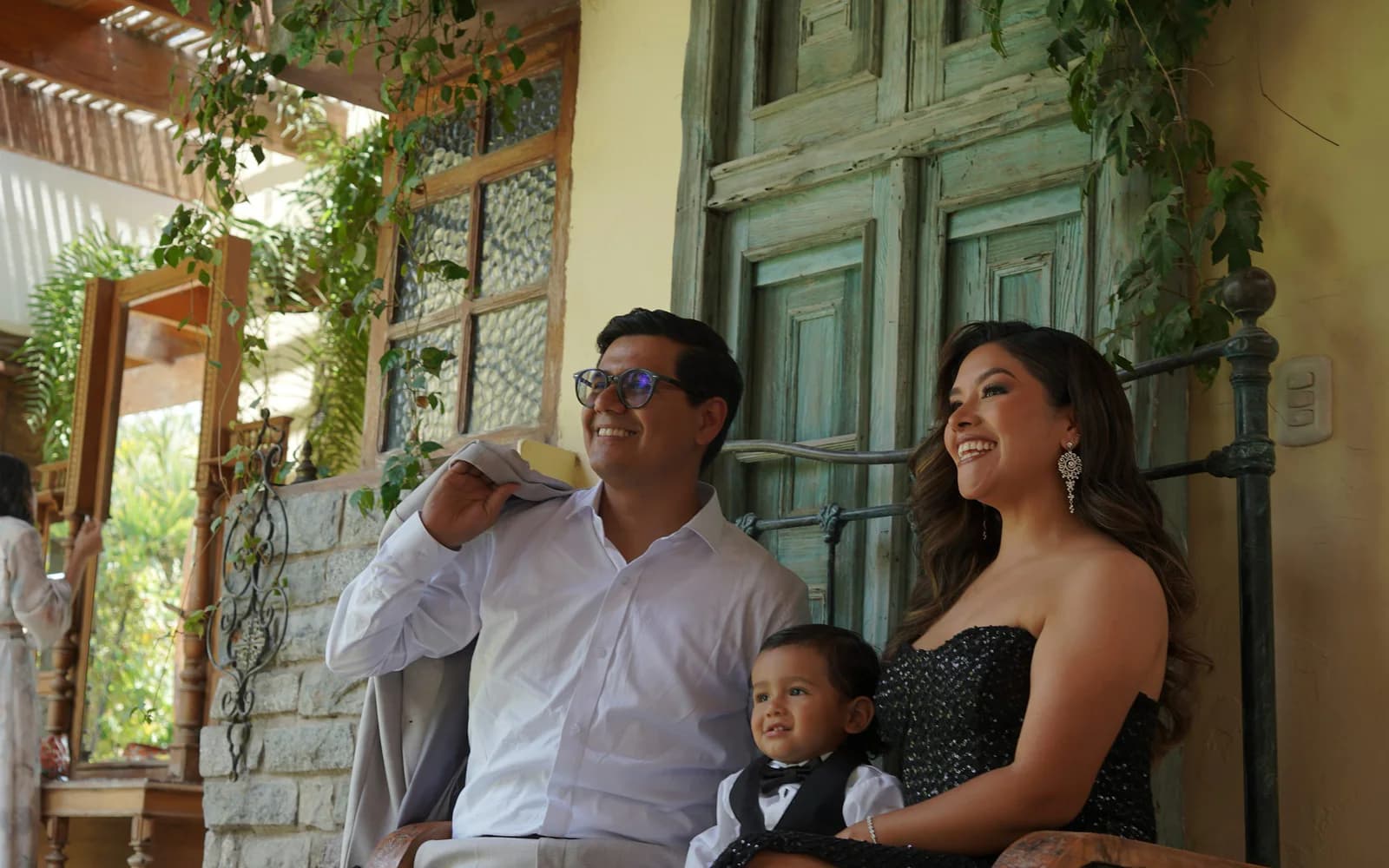
Family planning a parents and grandparents sponsorship pathway
Family Sponsorship

Quick answer

The parents and grandparents program Canada is invitation-based: you cannot apply on demand. IRCC opens an interest to sponsor form, then invites a subset of interested sponsors to submit a full application. If no invitation comes, the Super Visa is the main alternative, allowing long visits without leading to permanent residence.

General information, not advice on your file. Confirm current requirements before you act.

By Pankaj Khanna, RCICOfficial source: canada.ca

Key takeaways

  • You cannot apply for the Parents and Grandparents Program at will — IRCC decides when to open the interest to sponsor form.
  • Submitting the interest to sponsor form does not create an application; only an invitation does.
  • The sponsor must meet a minimum necessary income, evidenced through CRA assessments for consecutive tax years.
  • A co-signer, usually a spouse or common-law partner, can add their income and signs the undertaking alongside you.
  • The undertaking binds the sponsor and co-signer to support the parents and to repay certain social assistance they receive.
  • The Super Visa is the realistic alternative when no invitation comes: it allows long visits but builds no credit toward permanent residence.
On this page13 sections
  1. 01Why can’t you apply for the Parents and Grandparents Program at will?
  2. 02What is the interest to sponsor form?
  3. 03What happens when you receive an invitation to apply?
  4. 04What income does a sponsor have to show?
  5. 05What does the undertaking commit you to?
  6. 06How does the Parents and Grandparents Program compare with the Super Visa?
  7. 07When is the Super Visa the better plan?
  8. 08What can you do if you are not invited?
  9. 09What should you verify before you plan around PGP?
  10. 10Key terms explained
  11. 11Where to go next
  12. 12Sources and further reading
  13. 13Frequently asked questions

Why can’t you apply for the Parents and Grandparents Program at will?

You cannot apply for the parents and grandparents program Canada at will because demand has exceeded the number of places every year the program has run, and IRCC manages that demand by controlling who may file. PGP Canada is not an open application stream: it opens only when IRCC announces an intake, and only invited sponsors may submit a full application.

That structure is the single most important fact about planning for PGP Canada. You cannot build a timeline around it, you cannot prepare a file and file it when you are ready, and no amount of documentation creates a right to apply. If you want to sponsor parents Canada, the part you control is your own eligibility, your income history and how complete the file will be if an invitation arrives.

What is the interest to sponsor form?

The interest to sponsor form is the free online form IRCC opens during an intake window to collect the names of people who want to sponsor their parents or grandparents. It is not an application. It records your intention, and it is the only way to enter the pool from which invitations are drawn.

Because the window can be short and is announced with little notice, the real work happens beforehand. Confirm you meet the sponsor requirements, decide which parents and grandparents you would name, and have your personal details and status documents to hand before the form opens.

IRCC has used different selection methods across intakes, so the mechanics of any given round must be read from that year’s instructions rather than assumed from the last one. What was true of the previous round — how the form was opened, who was eligible to enter it and how invitations were issued — is not a promise about the next one.

What happens when you receive an invitation to apply?

An invitation is what converts your interest into an application. Once invited, you have a limited window to submit a complete sponsorship application together with the permanent residence application for your parents or grandparents. The invitation is tied to the person invited and to the parents or grandparents named, so it cannot be transferred to anyone else.

From that point the file looks like any other family sponsorship. You must show that you meet the sponsor requirements, that your income meets the minimum necessary income, and that the parents or grandparents are admissible, which includes a medical examination and police certificates.

Missing the deadline or filing an incomplete application ends the opportunity for that round, and there is no queue to fall back on. That is why the preparation happens before the invitation rather than after it.

What does the undertaking commit you to?

Signing the undertaking makes you, and any co-signer, financially responsible for the sponsored parents or grandparents for a fixed period set out in the program instructions. During that period you must provide for their basic needs, and you must repay certain social assistance they receive.

The undertaking survives a change in circumstances. It is not cancelled by separation, divorce, job loss or a move, and it stays in force for its full term. That is why the income test and the undertaking are assessed together: IRCC is deciding whether you can carry the obligation for as long as it lasts, not whether you can afford the first year of it.

How does the Parents and Grandparents Program compare with the Super Visa?

The two routes answer different questions. PGP is the route to permanent residence, and it is available only to invited sponsors. The Super Visa is a temporary resident visa for parents and grandparents that allows long visits and can be applied for at any time, but it does not lead to permanent residence.

If your goal is reunion rather than status, the Super Visa usually delivers it sooner, because it does not depend on an invitation. If your goal is permanent residence, only PGP does that, and the invitation is the gate that decides whether you get there.

The timing difference is the one families feel most. The Super Visa can be applied for as soon as the host meets the income threshold and the insurance is in place, while PGP waits on an invitation that may not come in a given year. If the family needs a decision they can act on, the Super Visa is the route with a process you can start today.

Parents and Grandparents Program compared with the Super Visa
Point of comparisonWhat it givesParents and Grandparents ProgramPermanent residenceSuper VisaTemporary resident status for visits
Point of comparisonHow you applyParents and Grandparents ProgramOnly after receiving an invitation, following the interest to sponsor formSuper VisaApply at any time through the visa office
Point of comparisonIncome testParents and Grandparents ProgramMinimum necessary income evidenced over consecutive tax yearsSuper VisaIncome of the host child or grandchild must meet the published threshold
Point of comparisonInsuranceParents and Grandparents ProgramNot required for the sponsorship itselfSuper VisaCanadian medical insurance covering the stay is required
Point of comparisonLength of stayParents and Grandparents ProgramPermanentSuper VisaLong stay per entry, with the option to extend from inside Canada
Point of comparisonPath to citizenshipParents and Grandparents ProgramLeads to permanent residence and eventually citizenshipSuper VisaBuilds no credit toward permanent residence
Point of comparisonHealth checksParents and Grandparents ProgramMedical examination requiredSuper VisaMedical examination and insurance required

When is the Super Visa the better plan?

The Super Visa is the better plan when the priority is time together rather than permanent status, when the parents are not ready to move permanently, or when several years may pass before an invitation. It requires the host child or grandchild in Canada to meet an income threshold, and the applicant to hold Canadian medical insurance covering the period of stay and to pass a medical examination.

Because it is a temporary resident visa, a stay can be extended from inside Canada, subject to the rules in force at the time. What it does not do is build any credit toward permanent residence. Many families run the two in parallel: apply for the Super Visa so visits can begin, and enter the PGP pool separately.

What can you do if you are not invited?

If no invitation comes, the practical options are the Super Visa, a regular visitor visa, or waiting for a future intake and entering the pool again. There is no appeal against not being selected, because selection is not a decision on an application — it is an administrative step that creates no right.

Some families ask about humanitarian and compassionate grounds, but that is a separate, evidence-heavy route and not a substitute for PGP. It is also worth checking whether another relative in Canada can sponsor, or whether the parents fit a different program on their own facts.

Waiting is not passive. Each intake has its own instructions, and the details you need to enter the pool are worth keeping current in case a window opens with little notice. Keep your tax filings and status documents in order so that an invitation, if it comes, is something you can act on quickly.

Realistic options when no invitation arrives

  • Apply for a Super Visa so the parents can make long visits while the pool stays open.
  • Use a regular visitor visa for shorter or less frequent visits.
  • Wait for the next intake and submit the interest to sponsor form again.
  • Check whether another family member in Canada is eligible to sponsor.
  • Ask whether humanitarian and compassionate grounds genuinely apply to your facts.

What should you verify before you plan around PGP?

PGP rules are among the least stable in the immigration system, because the intake, the selection method and the number of invitations are set round by round. Anything you read about the program, including this guide, should be checked against IRCC’s current page for the round you are actually in.

Two habits protect you. Keep your tax filings current and your income evidence clean, because that is the part you control and the part that is hardest to repair late. And do not let PGP block the reunion itself — start the Super Visa process while you wait for an invitation that may never come.

Key terms explained

Plain-language definitions for terms used in Parents and Grandparents Program Canada: Invitations, Income and Alternatives.

Parents and Grandparents Program
The family class program through which Canadian citizens and permanent residents sponsor their parents or grandparents for permanent residence, by invitation only.
Interest to sponsor form
The online form IRCC opens during an intake window to collect the names of people who want to sponsor their parents or grandparents. It is not an application.
Minimum necessary income
The income threshold a sponsor must meet, based on family unit size, evidenced through Canada Revenue Agency notices of assessment.
Undertaking
A binding promise by the sponsor and any co-signer to support the sponsored parents or grandparents and to repay certain social assistance for a fixed period.
Co-signer
A spouse or common-law partner who adds their income to the sponsorship and signs the undertaking alongside the sponsor.
Super Visa
A temporary resident visa for the parents and grandparents of Canadian citizens and permanent residents that allows long visits but does not lead to permanent residence.
Medical examination
A health check carried out by an IRCC-approved physician, required for permanent residence and for the Super Visa.

Where to go next

Compare these connected pages with the next decision raised by Parents and Grandparents Program Canada: Invitations, Income and Alternatives.

Sources and further reading

Answered directly

Questions people ask about this

Answers about Parents and Grandparents Program Canada: Invitations, Income and Alternatives, with facts to verify against current official instructions.

Can I sponsor parents in Canada through the Parents and Grandparents Program (PGP Canada) in 2026?

IRCC currently says the Parents and Grandparents Program is paused: it is not accepting new interest-to-sponsor forms or inviting new applicants until further notice. Existing applications continue to be processed. Check IRCC’s program page before making plans because a future intake would have its own dates and instructions.

How much income do I need to sponsor my parents or grandparents?

The required amount depends on the sponsor’s family size and the three tax years IRCC specifies for a particular intake. Because the program is paused and the relevant years can change when an intake opens, use the current IRCC table and CRA Notices of Assessment rather than relying on an older dollar figure.

Can I submit a PGP application without an invitation?

No. IRCC says it will return a Parents and Grandparents sponsorship application if the sponsor was not invited to apply. At present, no new invitations are being issued while the program is paused. Families may look at a Super Visa as a separate temporary-visit option, but it does not grant permanent residence.

Is the Super Visa a substitute for permanent residence?

No. The Super Visa is a temporary resident visa. It allows long visits and can be extended from inside Canada, but it builds no credit toward permanent residence and does not lead to citizenship. It is a way to be together sooner, not a route to status, and many families use it while they wait for a PGP invitation.

Can my spouse or partner co-sign a PGP sponsorship?

Yes, a spouse or common-law partner can usually co-sign. Their income is added to yours for the minimum necessary income test, and they sign the undertaking alongside you, which makes them equally responsible for the obligation. Both incomes must be documented through CRA assessments for the relevant tax years.

How long is the Parents and Grandparents sponsorship undertaking?

Outside Quebec, a sponsor’s financial undertaking for parents or grandparents lasts 20 years from the day they become permanent residents. Quebec has a different undertaking process and period administered with the provincial government. The commitment continues through changes in the sponsor’s circumstances, so review it before signing.

Can I submit a new interest-to-sponsor form while the PGP is paused?

No. IRCC’s current notice says it will not accept new interest-to-sponsor forms until further notice. A past form does not create an active permanent-residence application; only people who receive an invitation under an intake can submit the sponsorship and permanent-residence applications.

Will IRCC keep processing PGP applications already submitted?

Yes. IRCC’s notice says existing Parents and Grandparents Program applications will continue through processing even though new forms and invitations are paused. Sponsors should keep contact details current, monitor their account and respond by the deadline if IRCC requests information.

Can my brother or sister co-sign a PGP sponsorship?

No. IRCC allows the sponsor’s spouse or common-law partner to co-sign the income undertaking; a sibling cannot co-sign simply because they share responsibility for a parent. A co-signer must meet the sponsor conditions, provide the required income records and accept joint financial responsibility.

How does IRCC count family size for PGP income?

IRCC counts the sponsor, the co-signer if there is one, their dependants and the people being sponsored, with family size assessed for each required tax year. Changes such as a birth, marriage or end of a previous undertaking can alter the calculation, so use the program’s year-specific worksheet.

Ready to make the research personal?

Discuss how Parents and Grandparents Program Canada: Invitations, Income and Alternatives applies to your status, evidence and timeline.

Book a Consultation
EmailBook a Consultation
Chat on WhatsAppCall Commonwealth Migration Group Inc.