
Resources · Family Sponsorship

Spousal Sponsorship Canada: Inland vs Outland and the 2026 Checklist

Inland and outland sponsorship affect travel, status and work-permit planning. Use the relationship evidence and document checklist before choosing the stream.

By Pankaj Khanna, RCICOfficial source: canada.ca13 min read
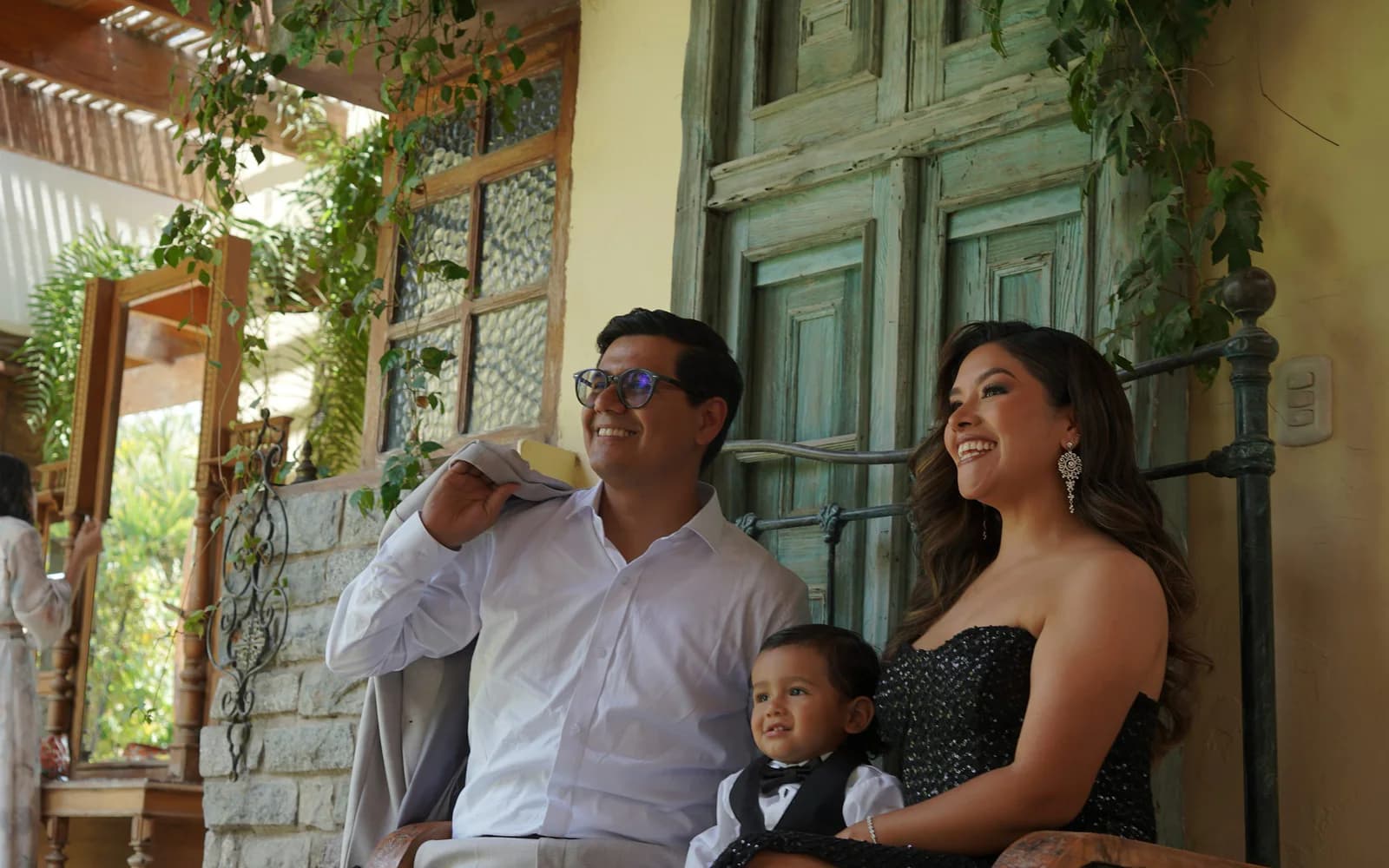
Couple planning a Canadian spousal sponsorship application
Family Sponsorship

Quick answer

Spousal sponsorship Canada lets a Canadian citizen or permanent resident sponsor a spouse, common-law or conjugal partner for permanent residence. The choice between inland and outland sponsorship decides where the file is processed, whether the sponsored partner can work while waiting, what travel is possible and what happens if the relationship ends.

General information, not advice on your file. Confirm current requirements before you act.

By Pankaj Khanna, RCICOfficial source: canada.ca

Key takeaways

  • A sponsor must be a Canadian citizen or permanent resident, aged 18 or over, with no disqualifying history such as a defaulted undertaking.
  • Inland sponsorship is for couples living together in Canada; outland sponsorship is processed overseas and suits couples who are apart.
  • A sponsored spouse or partner who is living in Canada with the sponsor may qualify for an open work permit after the permanent-residence application is acknowledged, including some Family Class applicants.
  • Outland sponsorship generally preserves the sponsor’s right to appeal a refusal to the Immigration Appeal Division; inland sponsorship does not.
  • Relationship evidence has to prove a genuine, continuing relationship: a timeline, communication, shared finances, photographs and third-party statements.
  • Leaving Canada while an inland application is in progress can put both the application and the applicant’s status at risk.
On this page13 sections
  1. 01What does spousal sponsorship Canada cover?
  2. 02Who is eligible to be a sponsor?
  3. 03What is the difference between inland and outland sponsorship?
  4. 04How does inland sponsorship work?
  5. 05How does outland sponsorship work?
  6. 06What relationship evidence does IRCC expect?
  7. 07How does relationship evidence differ between inland and outland?
  8. 08Can the sponsored partner work while waiting?
  9. 09What should you check before you file?
  10. 10Key terms explained
  11. 11Where to go next
  12. 12Sources and further reading
  13. 13Frequently asked questions

What does spousal sponsorship Canada cover?

Spousal sponsorship Canada is the family class route that lets a Canadian citizen or permanent resident bring a partner to Canada as a permanent resident. There is no separate spouse visa Canada product: what is actually filed is a permanent residence application under the family class, assessed against the same sponsorship rules as any other family file.

Three relationship categories qualify. A spouse is a married partner. A common-law partner is someone you have lived with in a conjugal relationship for at least twelve continuous months. A conjugal partner is a partner you cannot marry or live with because of a barrier outside your control, and that category is assessed much more strictly than the other two. Settle which category fits your facts before you assemble evidence, because each is proved differently.

Who is eligible to be a sponsor?

The sponsor is assessed before the relationship is, so a file with a strong relationship story still fails if the sponsor does not qualify. You must be a Canadian citizen or a permanent resident, at least 18 years old, and able to meet the undertaking you sign — a binding promise to support your partner financially for a set period and to repay certain social assistance they receive.

A citizen living abroad can sponsor only if they intend to live in Canada once the partner becomes a permanent resident, and a permanent resident must be living in Canada to sponsor. You cannot be in default on a previous undertaking, in undischarged bankruptcy, subject to a removal order, or convicted of certain offences against a person.

The sponsor eligibility test, in order

  1. 1Status: Canadian citizen or permanent resident, and at least 18 years old.
  2. 2Residence: living in Canada, or a citizen who intends to return when your partner lands.
  3. 3Undertaking: able to promise financial support for the full undertaking period.
  4. 4History: no defaulted undertaking, undischarged bankruptcy, removal order, disqualifying conviction or social assistance claim.
  5. 5Timing: if you were sponsored as a spouse or partner yourself, a waiting period applies before you can sponsor someone new.

What is the difference between inland and outland sponsorship?

The inland vs outland sponsorship choice decides where your file is processed and what the sponsored partner can do while it is open. Inland sponsorship is for a couple living together in Canada. Outland sponsorship is processed outside Canada and is the usual route when the sponsored partner lives abroad, or when they need to travel freely while the application is decided.

Neither route is faster by definition. The right answer depends on where the couple lives, whether the sponsored partner needs to work, whether the sponsor wants the right to appeal a refusal, and how much travel the couple needs. The table below sets out the differences that decide most cases.

Inland vs outland sponsorship compared
Point of comparisonWhere the couple livesInland sponsorshipSponsor and sponsored partner live together in CanadaOutland sponsorshipSponsored partner may live abroad, or in Canada but intending to travel
Point of comparisonWhere the file is processedInland sponsorshipProcessed inside CanadaOutland sponsorshipProcessed at an office outside Canada
Point of comparisonWork while waitingInland sponsorshipAn eligible sponsored partner living in Canada with the sponsor may apply for an open work permit after AOROutland sponsorshipA partner living outside Canada cannot work in Canada unless separately authorized; some Family Class applicants who later live in Canada with the sponsor may qualify for the sponsorship open work permit
Point of comparisonRight of appealInland sponsorshipNo appeal to the Immigration Appeal Division on the sponsorship decisionOutland sponsorshipSponsor generally keeps a right of appeal to the Immigration Appeal Division
Point of comparisonTravel during processingInland sponsorshipLeaving Canada can put the application and the partner’s status at riskOutland sponsorshipThe sponsored partner can travel and wait abroad while the file is processed
Point of comparisonIf the relationship endsInland sponsorshipThe application ends and the partner’s in-Canada status may be affectedOutland sponsorshipThe application ends, but there is no in-Canada status to lose

How does inland sponsorship work?

Inland sponsorship is filed as a single application that assesses the sponsor and the sponsored partner together, and it requires the couple to be living together in Canada. Because the sponsored partner is already in Canada, they usually hold some form of temporary status while the file is open, and keeping that status valid matters as much as the application itself.

The practical advantage is continuity. The couple stays together, the sponsored partner can apply for an open work permit tied to the sponsorship, and there is no separation while the file is decided. The trade-off is mobility: if the sponsored partner leaves Canada and cannot re-enter, the application can be at risk.

How does outland sponsorship work?

Outland sponsorship is processed at an office outside Canada, and it fits couples who are not living together in Canada — or who are, but need the sponsored partner to be able to travel while the file is open. The couple is not required to cohabit for the duration of processing, and the sponsored partner can wait in their home country.

Because cohabitation is not the anchor, the file leans harder on the history of the relationship: how you met, how you stayed in contact across the distance, visits, financial support and statements from people who know you both. An overseas office can also require an interview, which is rare in an inland file. The sponsor generally keeps a right of appeal to the Immigration Appeal Division if the sponsorship is refused.

What relationship evidence does IRCC expect?

Relationship evidence has to do two jobs: prove that the relationship is genuine, and prove that it was not entered into primarily to obtain status. IRCC starts from the position that a marriage can be arranged for immigration purposes, so the burden sits with you to show a real, continuing relationship.

Evidence is judged as a whole rather than document by document. A thick file of receipts with no narrative is weaker than a smaller file that tells a clear story across time. The strongest files answer the same questions from several directions: where you lived, how you communicated, how you handled money, and who knew about the relationship.

The five evidence pillars

  • Timeline: a plain chronology of how you met, when the relationship began and the milestones since, matched to documents.
  • Communication: call logs, messages and video-call records showing regular contact across the whole relationship.
  • Shared finances: joint accounts, shared rent or bills, transfers, insurance or beneficiary designations.
  • Photographs: dated images with other people present, covering ordinary life as well as ceremonies and trips.
  • Third-party statements: letters from family, friends, employers or religious figures who know the relationship.

How does relationship evidence differ between inland and outland?

The standard is the same, but the emphasis shifts with the route. An inland file can lean on cohabitation, because the couple shares an address and that produces documents — a joint lease, utility accounts, mail, a shared bank account. An outland file cannot show cohabitation, so it has to carry the relationship through communication records, visits, remittances and statements from people in both countries.

The mistake to avoid is assuming that living together proves the relationship on its own. Cohabitation shows you share an address; it does not show the relationship is genuine or continuing. Both routes still need the timeline, the communication record and the third-party statements, because those are what show the relationship existed before the application and continued through it.

Where each route puts its evidentiary weight
Evidence typeCohabitationInland emphasisJoint lease, utility bills and mail to one addressOutland emphasisLimited; visits and shared travel instead
Evidence typeCommunicationInland emphasisSupporting, since the couple lives togetherOutland emphasisCentral — records spanning the time apart
Evidence typeShared financesInland emphasisJoint accounts, shared rent and household billsOutland emphasisTransfers, joint accounts and shared major purchases
Evidence typePhotographsInland emphasisOrdinary daily life togetherOutland emphasisVisits, ceremonies and time spent together
Evidence typeThird-party statementsInland emphasisLandlord, neighbours, employerOutland emphasisFamily and friends in both countries

Can the sponsored partner work while waiting?

A sponsored spouse or partner who is living in Canada with the sponsor may qualify for an open work permit after IRCC issues an acknowledgement of receipt (AOR) for the complete permanent-residence application. Eligibility is not limited to the in-Canada class: some Family Class applicants also qualify if they are in Canada with the sponsor. The permit is a separate application, and the sponsorship file alone does not authorize work.

A partner who remains outside Canada cannot use this in-Canada open-work-permit policy until they are living in Canada with the sponsor and meet the other conditions. A visitor visa or permission to enter is a separate decision and is not guaranteed by a sponsorship application. Read the permit issued by IRCC for its validity and conditions before working.

What should you check before you file?

The order of work matters as much as the documents. Confirm the sponsor qualifies first, choose the route second, and build the relationship evidence third, because the route decides which evidence carries the most weight and which forms you complete.

Avoid the two failures that are easiest to prevent: filing before the sponsor’s eligibility is settled, and submitting a file whose documents contradict each other on dates, addresses or income. Consistency across the timeline is what makes a file credible, and it is the first thing a refusal letter tends to attack.

Work backwards from the document checklist IRCC publishes for your route rather than from the papers you happen to have on hand. If something is genuinely unavailable, explain why in the application instead of leaving a gap the officer has to interpret.

A short pre-filing checklist

  1. 1Confirm the sponsor meets the status, age, residence and undertaking requirements.
  2. 2Decide inland or outland based on where you live, work and travel.
  3. 3Build one master timeline and make every document agree with it.
  4. 4Gather the five evidence pillars before you start the forms.
  5. 5Check the current forms, fees and document checklist on the official IRCC page.

Key terms explained

Plain-language definitions for terms used in Spousal Sponsorship Canada: Inland vs Outland and the 2026 Checklist.

Spousal sponsorship
The family class process by which a Canadian citizen or permanent resident sponsors a spouse, common-law or conjugal partner for permanent residence.
Undertaking
A binding promise by the sponsor to support the sponsored person financially for a set period and to repay certain social assistance that person receives.
Inland sponsorship
A sponsorship application filed while the sponsor and sponsored partner are living together in Canada, processed inside Canada.
Outland sponsorship
A sponsorship application processed at an office outside Canada, used when the couple lives apart or the sponsored partner needs to travel during processing.
Common-law partner
A partner you have lived with in a conjugal relationship for at least twelve continuous months.
Open work permit
A work permit that is not tied to a single employer, allowing the holder to work for most employers in Canada.
Immigration Appeal Division
The branch of the Immigration and Refugee Board that hears appeals against certain sponsorship refusals.

Where to go next

Compare these connected pages with the next decision raised by Spousal Sponsorship Canada: Inland vs Outland and the 2026 Checklist.

Sources and further reading

Answered directly

Questions people ask about this

Answers about Spousal Sponsorship Canada: Inland vs Outland and the 2026 Checklist, with facts to verify against current official instructions.

For Canadian spousal sponsorship, how do I choose between the in-Canada class and Family Class (often called inland and outland)?

The in-Canada class generally requires the sponsored spouse or common-law partner to live with the sponsor in Canada. Family Class can include applicants inside or outside Canada, and conjugal partners must use that class. The route affects travel and appeal rights; an eligible partner living in Canada with the sponsor may qualify for an open work permit under either class.

Can a sponsored spouse get an open work permit in Canada during inland or outland spousal sponsorship processing?

A spouse or partner included in a permanent-residence application may qualify if they are living in Canada with the sponsor and meet IRCC’s other conditions. Usually IRCC must issue an AOR first; a limited no-AOR exception applies when status expires within two weeks. A partner outside Canada needs separate authorization to work in Canada.

How long does Canadian spousal sponsorship take for inland and outland applications?

There is no fixed answer, and any single figure you read elsewhere will be out of date. Processing depends on the route, how complete the application is, how quickly IRCC can verify the information and how much of the annual intake is already committed. Check the current estimate for your specific stream on the official IRCC processing-times page.

Does spousal sponsorship Canada allow an appeal if it is refused?

It depends on the route. With outland sponsorship, the sponsor generally has a right of appeal against a refusal to the Immigration Appeal Division. With inland sponsorship that appeal right does not apply to the sponsorship decision, so the available options are narrower and usually involve a fresh application or a different remedy.

Can you travel while an inland sponsorship is being processed?

You can leave Canada, but re-entry is never guaranteed, and if the sponsored partner cannot return the inland application can fail. That risk is the main reason couples who need to travel choose outland sponsorship instead. If travel is unavoidable, take advice on your specific file before you leave.

What happens if the relationship ends after permanent residence is granted?

The permanent residence is not automatically lost, but the sponsor’s undertaking continues for its full term. The sponsor remains financially responsible for the sponsored person even after the relationship ends. The undertaking is a legal commitment that is not cancelled by separation or divorce.

Who can sponsor a spouse or partner for Canadian permanent residence?

A sponsor generally must be at least 18 and a Canadian citizen, permanent resident or registered Indian. Permanent residents must live in Canada; a Canadian citizen abroad must show plans to return when the partner becomes a permanent resident. The sponsor must also meet IRCC’s other eligibility and undertaking rules.

How long do you have to live together to sponsor a common-law partner?

IRCC generally defines a common-law partner as someone who has lived with you in a conjugal relationship for 12 consecutive months, with only short, temporary separations. You need evidence of the shared life and address, such as leases, bills, joint financial records or other documents listed in the official checklist.

Is there a minimum income to sponsor a spouse in Canada?

In most spouse, partner and dependent-child sponsorships, IRCC does not set a minimum necessary income. The sponsor still must meet the eligibility rules and promise to provide basic needs. Different financial rules can apply in specific cases, including when a sponsored child has a dependent child.

How long does a sponsor’s financial undertaking last for a Canadian spouse or partner?

Outside Quebec, the sponsor’s undertaking for a spouse, common-law partner or conjugal partner lasts three years from the date the sponsored person becomes a permanent resident. The obligation continues if the relationship ends and can remain relevant if the sponsored person receives social assistance during that period.

Ready to make the research personal?

Discuss how Spousal Sponsorship Canada: Inland vs Outland and the 2026 Checklist applies to your status, evidence and timeline.

Book a Consultation
EmailBook a Consultation
Chat on WhatsAppCall Commonwealth Migration Group Inc.